DeliveredVerified developer
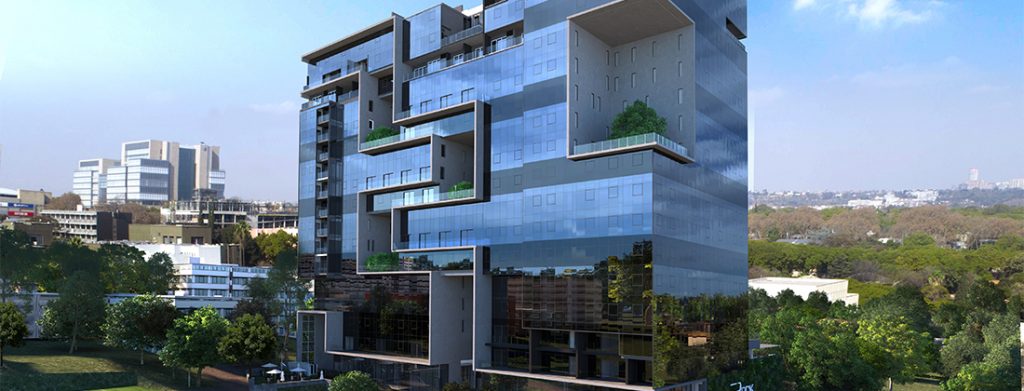
Apartment complex
Park Central
by Redefine Properties
445 luxury apartments in a 20-storey Rosebank tower
ApartmentStudioPenthouse
Johannesburg · Rosebank
From R 1,750,000
Johannesburg is the largest property market in Southern Africa, with a diverse stock ranging from sectional title apartments in Sandton to freehold houses in the northern suburbs. The city shows a marked divergence between secure areas where demand remains strong and certain inner-city neighbourhoods in decline. For buyers or tenants, understanding this property geography, tax rules and the specifics of South African law is essential before making any commitment.
No listings found in Johannesburg yet. Check back soon!
Apartment complex
by Redefine Properties
445 luxury apartments in a 20-storey Rosebank tower
Johannesburg · Rosebank
From R 1,750,000
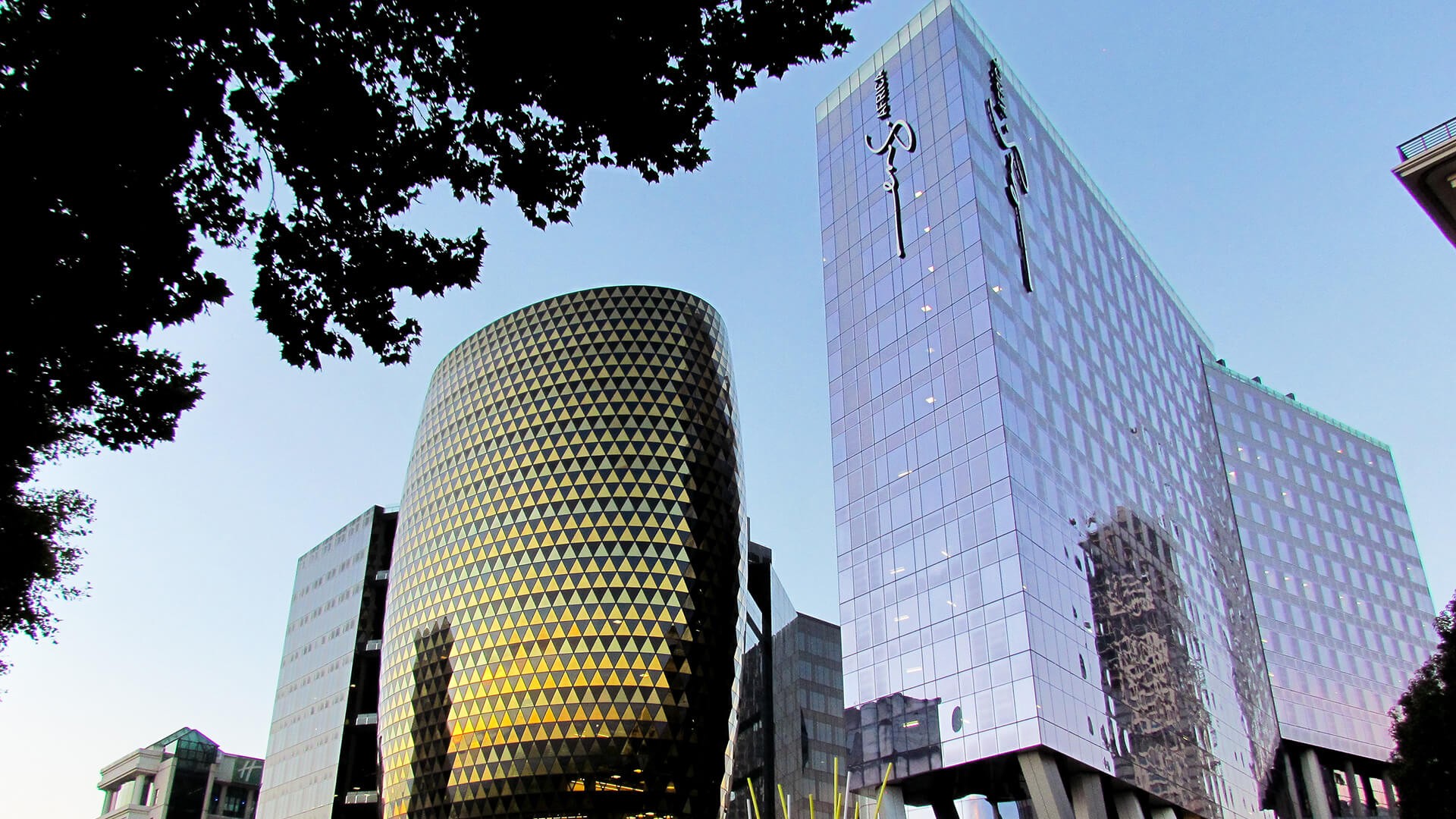
Mixed-use
by Eris Property Group
Two 5-star Green towers in the heart of Sandton
Johannesburg · Sandton
Price on request
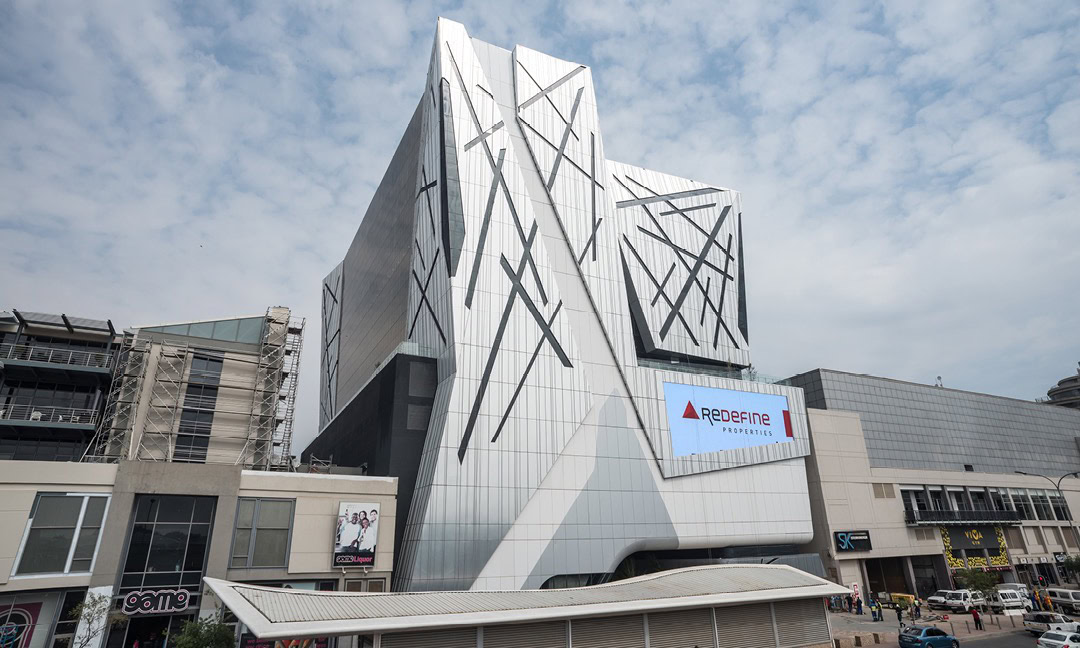
Offices
by Redefine Properties
Steel-and-glass office tower in Rosebank
Johannesburg · Rosebank
Price on request
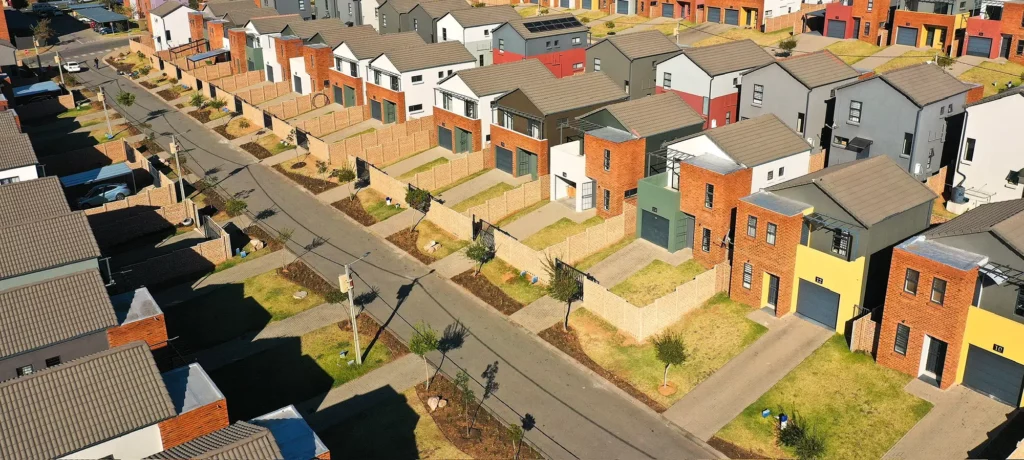
Housing estate
by South Hills Developments - Calgro M3
Secure double-storey homes in South Hills, Johannesburg
Johannesburg · South Hills
From R 1,039,500
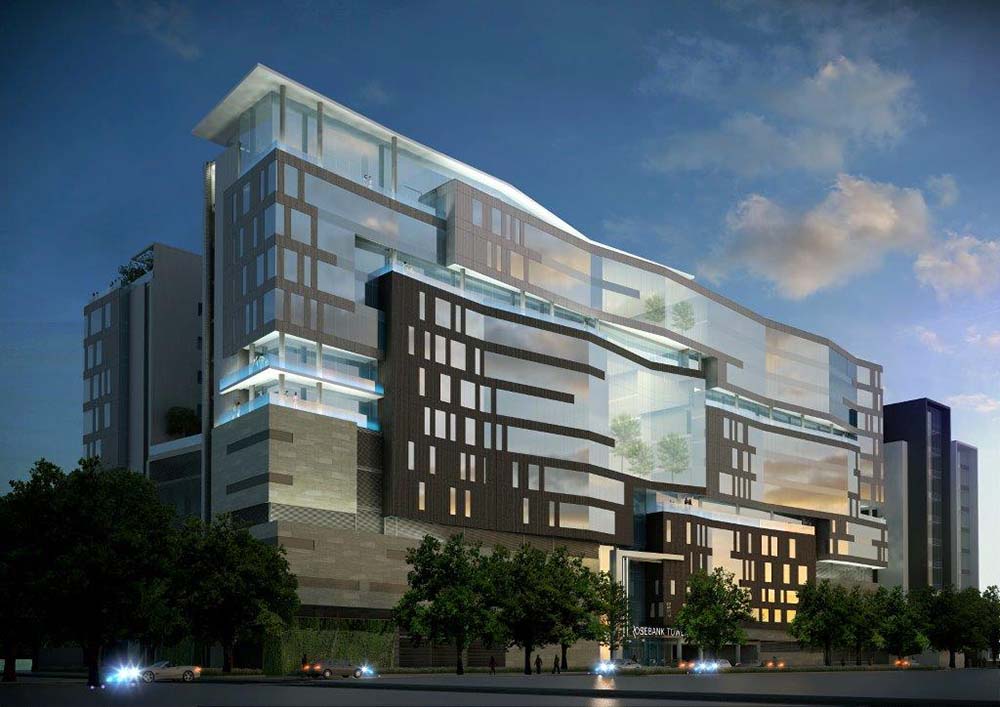
Offices
by Abland
An office tower in the Rosebank CBD
Johannesburg · Rosebank
Price on request
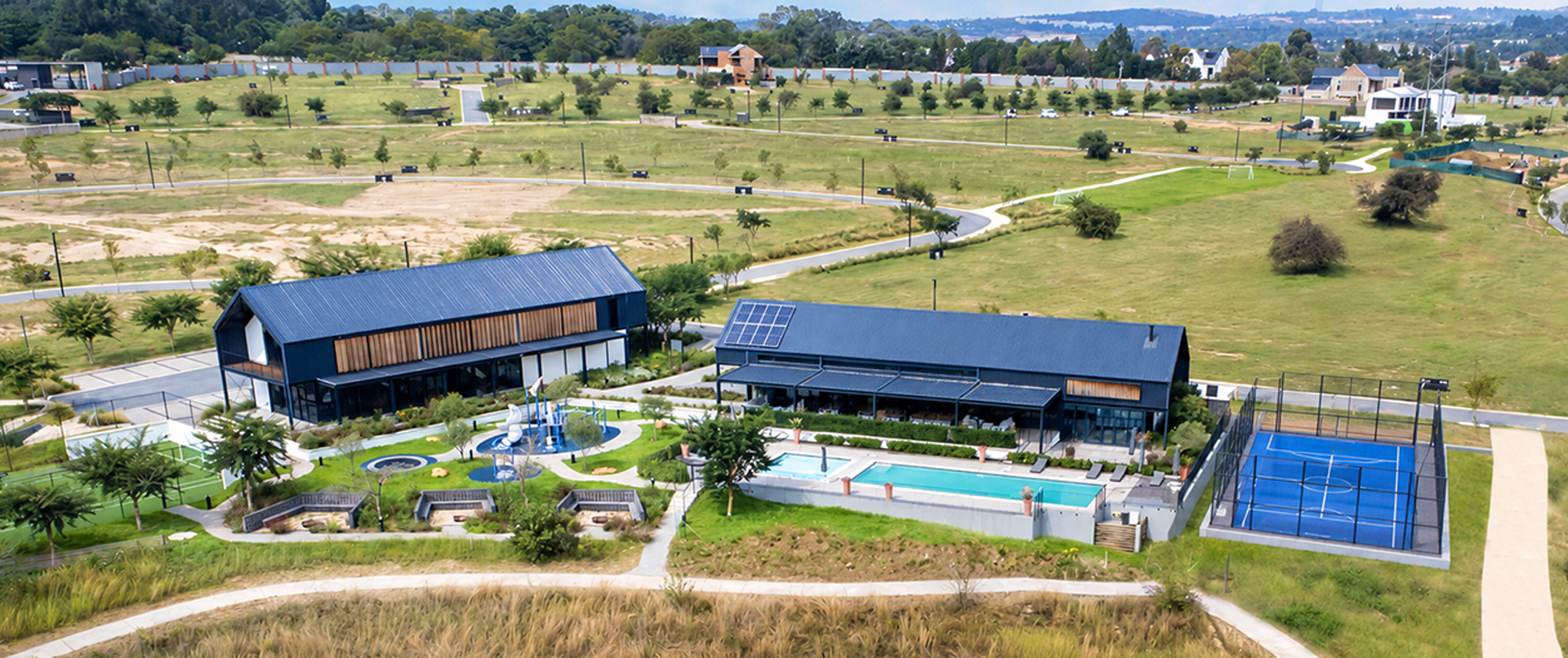
Housing estate
by Century Property Developments
Residential estate in Fourways, Johannesburg
Johannesburg · Fourways
From R 1.8M
Johannesburg recorded residential price inflation of 1.4 % year-on-year in March 2025 according to Statistics South Africa's Residential Property Price Index, well below the national average of 5.2 % and the Western Cape at 9.5 %. This relative underperformance reflects the market's size and neighbourhood diversity, where precise micro-location matters more than the city's overall reputation.
Two property types dominate the market. Freehold properties showed price growth of 3.7 % in 2025, compared with 2.1 % for sectional title units, according to data published by IOL in November 2025. Freehold homes attract families seeking space and autonomy, while sectional title units, representing 46 % of residential plans passed in South Africa, appeal to first-time buyers and investors through entry prices 25 to 35 % lower.
Sandton and Rosebank concentrate corporate demand. Sandton hosts a major business district, with upmarket apartments and secure complexes. Rosebank, nearby, functions as a genuine mixed-use precinct where well-priced sectional title units attract multiple simultaneous offers. New developments on Imonga include Nelson Mandela Square in Sandton, a delivered mixed-use project, and AYAN, under construction, along with The Tyrwhitt in Rosebank, at the sales stage.
Midrand and Waterfall City form the most dynamic growth corridor. Located between Johannesburg and Pretoria, this area benefits from new Gautrain stations and the Waterfall City mixed-use development, a 12 to 15 year project. Riverview at Waterfall City, an apartment complex by Balwin Properties, is among the programmes tracked by the platform.
Family suburbs in the north such as Bryanston, Fourways and the Parks suburbs (Parkhurst, Parkview, Greenside) offer freehold houses with low vacancy rates. Greenside and Parkview saw appreciation of 20 to 28 % over five years according to analysis published by Phoenix Bonds in June 2026.
Conversely, Hillbrow, Berea, Yeoville and Joubert Park face structural decline spanning decades. Values are falling, liquidity is poor and resale is difficult. The residential CBD has lost 15 to 20 % in value since 2020 according to the same source.
South Africa imposes no restriction on foreign property ownership, whether residential, commercial or land. This is confirmed by section 25 of the Constitution, which protects property rights, and the Deeds Registries Act governing transfer registration. Purchase does not confer citizenship or permanent residence, as clarified by law firm STBB in its August 2026 legal analysis.
Funds must be transferred through an authorised dealer, typically a South African commercial bank. Retaining proof of inward transfer is essential for repatriating proceeds on eventual resale. Since 11 August 2026, the South African Reserve Bank has harmonised its Balance of Payments reporting codes: these administrative changes do not alter property rights, but incorrect reporting can delay capital repatriation.
Transfer duty is a progressive tax paid by the buyer. Rates effective from 1 April 2025, published by the South African Revenue Service, are:
| Property value (R) | Rate |
|---|---|
| 0 to 1,210,000 | 0 % |
| 1,210,001 to 1,663,800 | 3 % of value above 1,210,000 R |
| 1,663,801 to 2,329,300 | 13,614 R + 6 % of value above 1,663,800 R |
| 2,329,301 to 2,994,800 | 53,544 R + 8 % of value above 2,329,300 R |
| 2,994,801 to 13,310,000 | 106,784 R + 11 % of value above 2,994,800 R |
| 13,310,001 and above | 1,241,456 R + 13 % of value above 13,310,000 R |
These rates are those published by the South African Revenue Service (see link above). Beyond transfer duty, the buyer pays the conveyancer's fees, Deeds Office registration fees, and compliance certificates (electrical, electric fence, gas, plumbing). The seller traditionally appoints the transfer attorney, but the buyer bears the cost, as detailed by Ooba in its description of the transfer process. The total transfer timeline, from signing the offer to purchase to registration, typically runs two to three months.
Leases in South Africa are governed by the Rental Housing Act of 1999, amended in 2014. The lease must be in writing. The deposit is capped at one month's rent for unfurnished properties, two months for furnished, and must be held in an interest-bearing account, according to Kilicasa's renting guide. The landlord has 7 days after vacation to inspect the property with the tenant present, then 14 days to refund the deposit plus interest, less lawful deductions (unpaid rent, damage beyond fair wear and tear).
Tenants are entitled to habitable premises, privacy (landlords must give 24 hours' written notice except in emergencies), and free access to the Rental Housing Tribunal for disputes, as SA News recalls. This tribunal cannot order eviction, which requires court proceedings under the Prevention of Illegal Eviction Act.
In sectional title schemes, monthly levies cover common area maintenance, but the body corporate can vote special levies. Checking the body corporate's financial statements before buying is essential: according to available information, some poorly managed complexes in southern Johannesburg show flat to negative annual growth of 0 to minus 3 %.
In Sandton CBD high-rise buildings, short-term rental saturation (300 to 400 active listings concentrated in a handful of towers according to Phoenix Bonds) creates intense price competition that compresses rental yields. Micro-location matters more than suburb name: the same street can shift from a liquid zone to a degraded one within a few hundred metres.
The Imonga platform lists new developments in Johannesburg spanning several segments: residential in Rosebank and Norwood, offices in Craighall and Parkwood, commercial in Sandton, retail in Olifantsfontein and Sandton, student housing in Doornfontein, and industrial in the East Rand. Identified developers include KJA Property Group, Balwin Properties, GRAPNEL PROPERTY GROUP and RDC Property Group. Property types range from sectional title apartments to freehold houses, plus commercial and industrial spaces.
Yes. South Africa imposes no restriction on foreign property ownership, residential or commercial. Purchase does not confer the right to reside in the country. Funds must be transferred through a South African commercial bank and proof of inward transfer kept for eventual repatriation on resale. To secure the transaction, have the structure reviewed by a South African notary or lawyer before signing the offer to purchase.
Freehold is full ownership of a stand-alone house and land, with no monthly levies. Sectional title is a unit in a shared scheme (apartment, townhouse) where the owner pays monthly levies for common area maintenance. In 2025, according to data published by IOL, freehold prices grew 3.7 % versus 2.1 % for sectional title.
For a property of 2,000,000 R, transfer duty is calculated as: 13,614 R + 6 % of (2,000,000 - 1,663,800), equalling 13,614 R + 20,172 R = 33,786 R. These rates have applied since 1 April 2025 according to the South African Revenue Service. A South African notary or lawyer can confirm this calculation before commitment.
Hillbrow, Berea, Yeoville and Joubert Park face decades of structural decline with falling values and poor liquidity, according to analysis published by Phoenix Bonds. The residential CBD has lost 15 to 20 % since 2020 according to the same source. Certain Sandton CBD high-rise buildings also suffer from short-term rental saturation that compresses yields.
The Rental Housing Act guarantees tenants habitable premises, deposit protection in an interest-bearing account, privacy with 24 hours' notice for landlord entry, and free access to the Rental Housing Tribunal for disputes, according to SA News. The deposit is capped at one month's rent for unfurnished properties. For complex disputes, a South African lawyer can usefully complement the Tribunal filing.