DeliveredVerified developer
Mixed-use
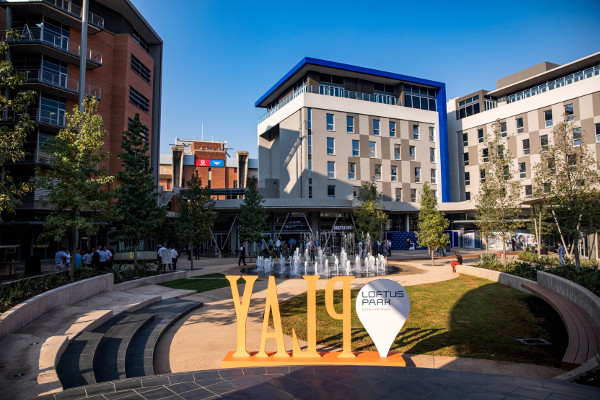
Loftus Park
by Abland
Green mixed-use precinct at the foot of Loftus Versfeld Stadium, Arcadia
OfficeShopDelivery 2018
Pretoria · Arcadia / Loftus
Price on request
Pretoria, the administrative capital of South Africa, forms the core of the Tshwane metropolitan area alongside Centurion. The city offers a diverse property market, from the student neighbourhoods of Hatfield to the established residential areas of the Old East. Prices remain affordable compared to Johannesburg or Cape Town, with options for first-time buyers and buyers of student housing alike. New developments are concentrated in the north and east of the city.
No listings found in Pretoria yet. Check back soon!
Mixed-use
by Abland
Green mixed-use precinct at the foot of Loftus Versfeld Stadium, Arcadia
Pretoria · Arcadia / Loftus
Price on request

Housing estate
by Balwin Properties
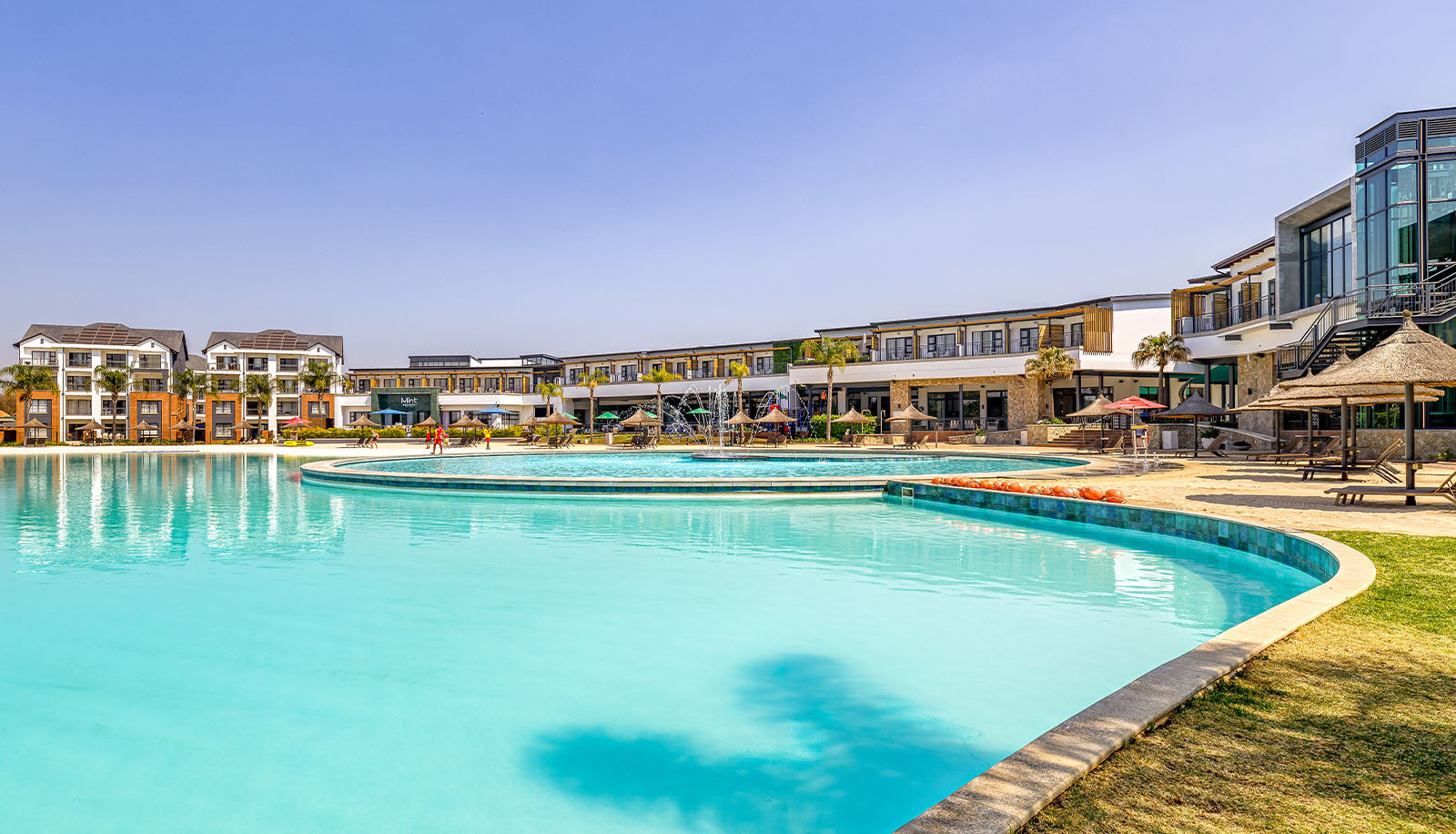
Africa's first Crystal Lagoon, in Pretoria East
Pretoria · Pretoria East / The Crest
From R 722,415
Apartment complex
by Balwin Properties
Crystal-lagoon living in Pretoria East
Pretoria · Pretoria East
From R 846,900
Apartment complex
by Balwin Properties
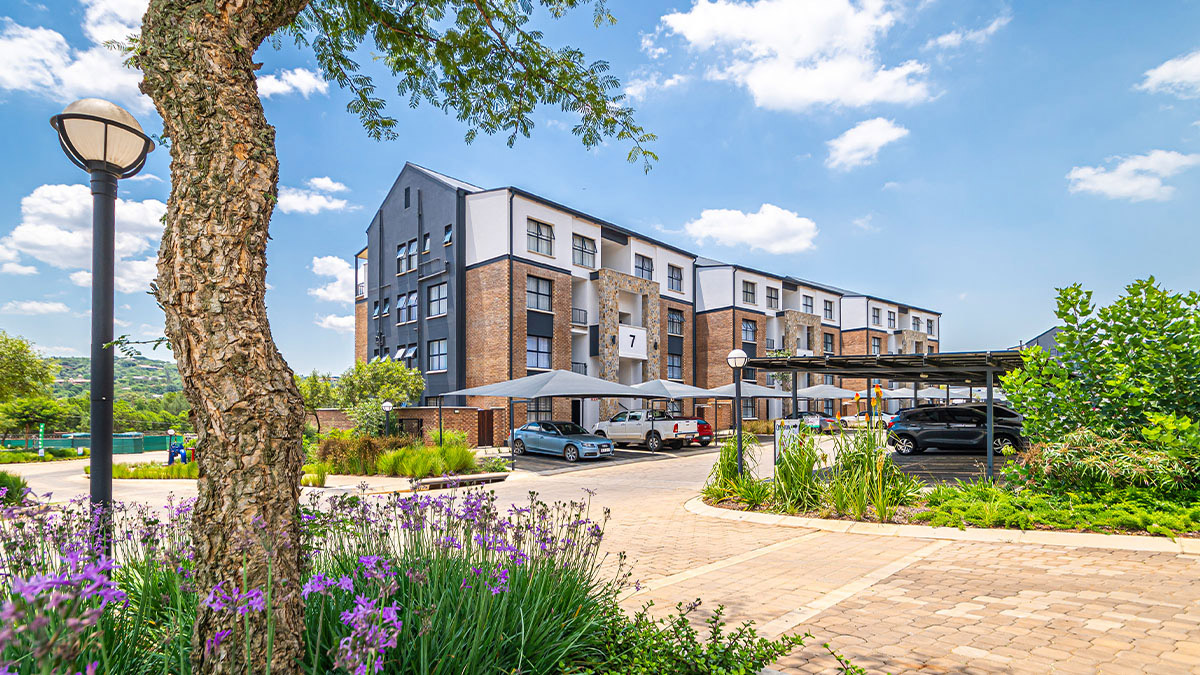
Net-zero green apartments in Pretoria East
Pretoria · Pretoria East
From R 799,900

Housing estate
by Century Property Developments
Secure bushveld living on a 1,200-acre reserve
Pretoria
From R 1,565,000

Offices
by Eris Property Group
38,000 m² mixed-use development in the heart of Menlyn Maine
Pretoria · Menlyn
Price on request
Pretoria lies in Gauteng province, which carries a 39.08% weight in the national Residential Property Price Index according to Statistics South Africa (source cited: statssa.gov.za). The RPPI for the Tshwane metropolitan area showed annual growth of 2.4% in March 2025, below the national average of 5.2% and Cape Town's 8.9% over the same period. This gap signals a more accessible market, particularly for first-time buyers.
The South African Reserve Bank's prime lending rate fell to 10.25% in November 2025, following six consecutive cuts since September 2024, according to available information (source cited: ooba.co.za). This 150 basis point reduction improves mortgage affordability for both local and foreign buyers.
These established eastern suburbs feature jacaranda-lined streets, generous stands, and a mix of freestanding homes, apartments, and security estates. Brooklyn hosts the commercial hub around Brooklyn Mall. Menlo Park, closer to the University of Pretoria, houses embassies and retail along Atterbury Road and Brooklyn Road. Waterkloof, established after the Second Anglo-Boer War, remains sought-after by diplomats and senior officials.
Hatfield borders the University of Pretoria's main campus. It is a neighbourhood that hosts many students, with walking distances of 10 to 20 minutes to campus gates. Rents for a furnished room range from R 4,500 to R 8,500 per month. Hillcrest and Groenkloof, 2 to 4 km away, offer quieter surroundings while remaining accessible by bicycle or university shuttle.
These Pretoria North areas offer more affordable housing, mainly freestanding homes and townhouses. Montana Park and surrounds attract families seeking accessible properties. Developments such as Sandwood Estate in Theresapark and Amanda Hills in Amandasig serve this market.
Hazelwood features commercial and residential projects that make it a mixed-use area. Muckleneuk, close to the city centre, hosts residential programmes and office buildings.
South Africa imposes no citizenship restrictions on property purchases. A foreigner may acquire property in their own name, with title registered at the Deeds Office like any South African citizen, under the Deeds Registries Act 47 of 1937. The only requirement is legal status in the country for those residing there. For any precise legal question, it is advisable to consult a notary or an attorney specialising in South African property law.
Funds must enter through a South African bank, which issues a deal receipt confirming the transfer. This document is essential for repatriating capital upon resale. Title will be marked non-resident at the Deeds Office.
Property transfer in South Africa requires a conveyancer, a specialist attorney, under section 15 of the Deeds Registries Act 47 of 1937, according to available information (source cited: caderco.co.za). The standard timeline from signed offer to Deeds Office registration ranges from 6 to 12 weeks. This depends on securing bank guarantees, obtaining the municipal rates clearance certificate, and receiving the SARS transfer duty receipt.
The seller must pay municipal taxes 2 to 4 months in advance to obtain the rates clearance certificate, according to available information (source cited: caderco.co.za). Transfer duty, payable by the buyer, follows SARS progressive brackets: 0% up to R 1,210,000, 3% between R 1,210,001 and R 1,663,800, then rising rates up to 13% above R 13,310,000, under the schedule effective 1 April 2025 (source cited: sars.gov.za).
When a non-resident sells a property above R 2,000,000, section 35A of the Income Tax Act requires the buyer to withhold part of the price, according to available information (source cited: sars.gov.za): 7.5% for an individual, 10% for a company, 15% for a trust. The withheld amount is paid to SARS. The seller then declares any capital gain and recovers any excess. It is advisable to seek guidance from a tax attorney at this stage.
The Rental Housing Act 50 of 1999, amended in 2014, governs landlord-tenant relationships in South Africa. A verbal lease is legally valid, but the landlord must provide a written agreement upon tenant request. The deposit must be held in an interest-bearing account and returned within seven days of lease termination, less justified deductions for damage.
Student rents in Pretoria vary by distance from campus. Hatfield commands the highest prices, while Arcadia, 5 to 7 km away, offers rooms from R 3,000 monthly, according to available information. Landlords must follow strict eviction procedures under the Prevention of Illegal Eviction Act (PIE Act), with written notice and court order required.
Imonga lists several new developments in Pretoria, covering student housing, residential, and commercial segments. In the student sector, Frederick Street Student Accommodation in Pretoria West and Volley Brooklyn in Bailey's Muckleneuk are delivered or under construction. The residential segment includes projects such as Menlo Pinnacles in Menlo Park, Woodlands Place in Woodhill, and Roodepark Eco City 2 in Montana Gardens. Planned developments by BOW+ARC Developments are emerging in Hazelwood, Muckleneuk, Brooklyn, and Lynnwood. The commercial sector is represented by Workshop17 Hazelwood, currently under construction. Development pages on Imonga present the developer and delivery status; the area field may appear as null for some programmes, such as Frederick Street Student Accommodation and Yethu City.
Yes. South Africa imposes no citizenship or residency requirement for property purchase. A foreigner may sign by power of attorney and register title in their name at the Deeds Office. Funds must pass through a South African bank, which issues a deal receipt to guarantee future capital repatriation. For any precise legal question, it is advisable to consult a notary or an attorney specialising in property law.
A standard transfer takes 6 to 12 weeks from signed offer to Deeds Office registration. A cash purchase completes in 6 to 8 weeks, while a bonded purchase takes 8 to 12 weeks due to bank guarantees and Deeds Office examination timelines, according to available information.
The buyer pays transfer duty under SARS brackets: 0% up to R 1,210,000, then progressive rates up to 13%. The seller pays municipal taxes in advance to obtain the rates clearance certificate. Conveyancer fees apply, calculated under the LPC tariff guidelines (Legal Practice Council schedule). For a precise estimate, consult a conveyancer or attorney.
Hatfield is a neighbourhood that hosts many students, 10 to 20 minutes' walk from the University of Pretoria's main campus. Hillcrest and Groenkloof, 2 to 4 km away, offer quieter surroundings accessible by bicycle. Brooklyn and Lynnwood, 3 to 6 km away, attract postgraduate students. Arcadia, further out, offers lower rents with a taxi commute.
The tenant must obtain a written agreement upon request, under the Rental Housing Act. Check the deposit amount, its placement in an interest-bearing account, and refund terms. Inspect the property with the landlord and photograph any defects. Verify whether utilities are included or billed separately. In case of dispute, an attorney or notary can advise you.