
Now selling
Mixed-use
Mlimani City Mall
by Turnstar Holdings
Mlimani City Mall, a $100 M mixed‑use complex in Dar es Salaam, combines retail and conferences.
ShopOffice
Dar es Salaam
Price on request
Dar es Salaam is Tanzania's economic capital and the largest city in East Africa. It concentrates the bulk of the Tanzanian property market, from Oyster Bay and Masaki to the emerging neighbourhoods of Kigamboni. The market remains shaped by a housing deficit of 3 million units according to available information and a majority of residents living in unplanned settlements. Understanding land tenure, neighbourhoods and local procedures is essential before making any commitment.
No listings found in Dar es Salaam yet. Check back soon!
Mixed-use
by Turnstar Holdings
Mlimani City Mall, a $100 M mixed‑use complex in Dar es Salaam, combines retail and conferences.
Dar es Salaam
Price on request
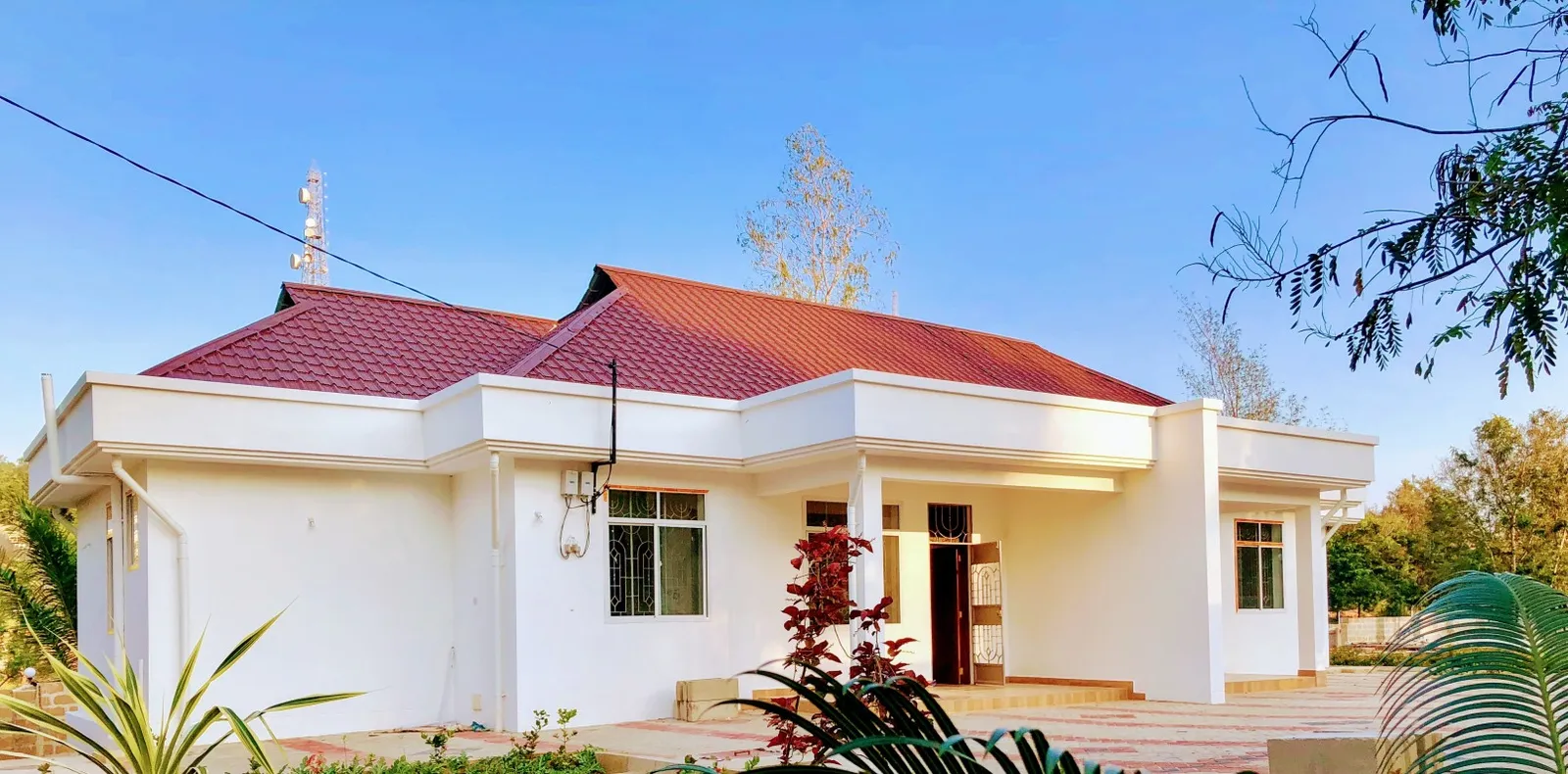
Residential
by Motek Development
Our designs create homes, not just houses, for your future.
Dar Es Salaam · Kinondoni District
From TZS 750,000
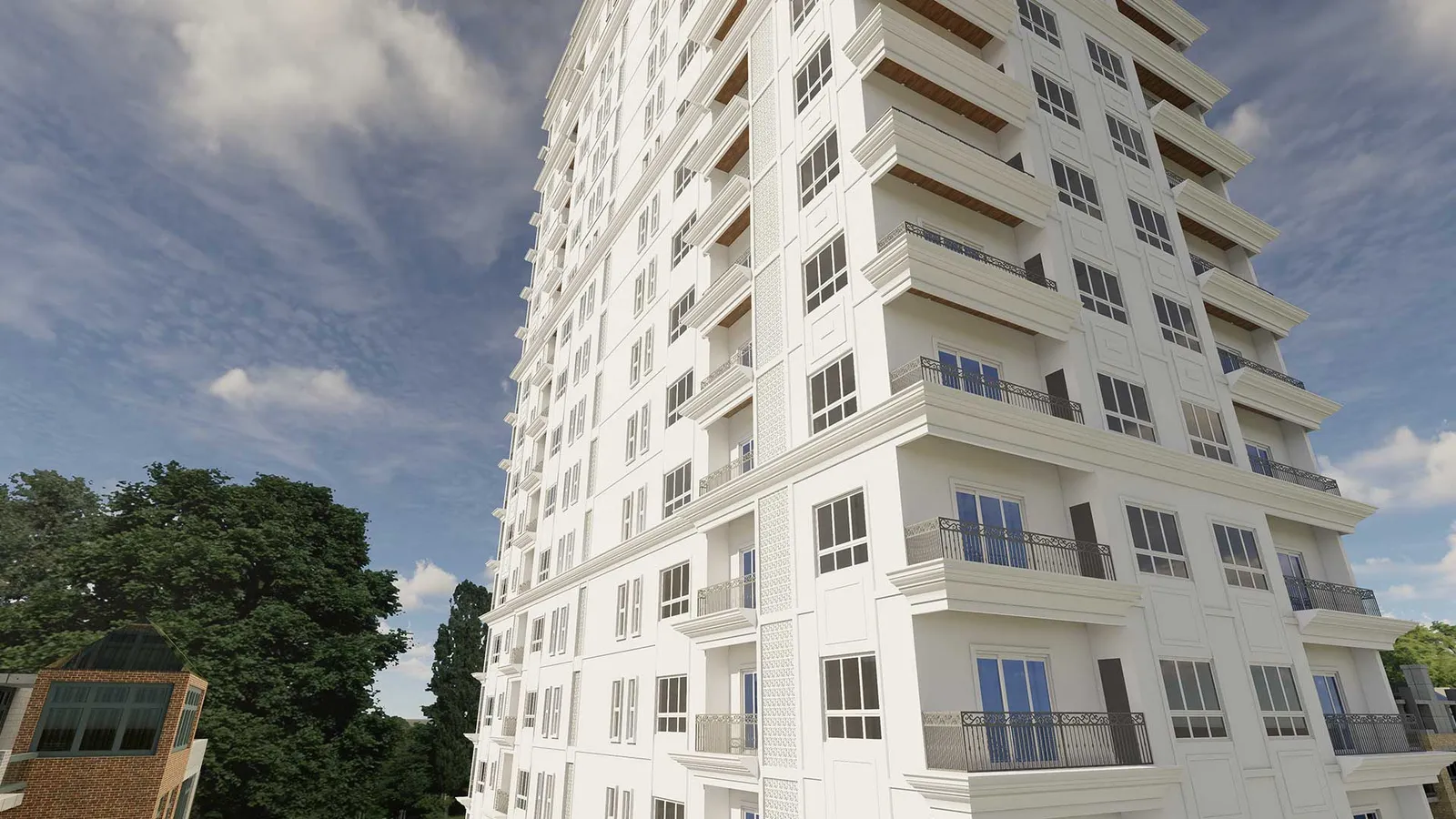
Residential
by Simba Developers - Upanga Branch
Great Homes offers premium 15‑storey residential apartments in the heart of Upanga, Dar Es Salaam.
Dar Es Salaam · Upanga
Price on request
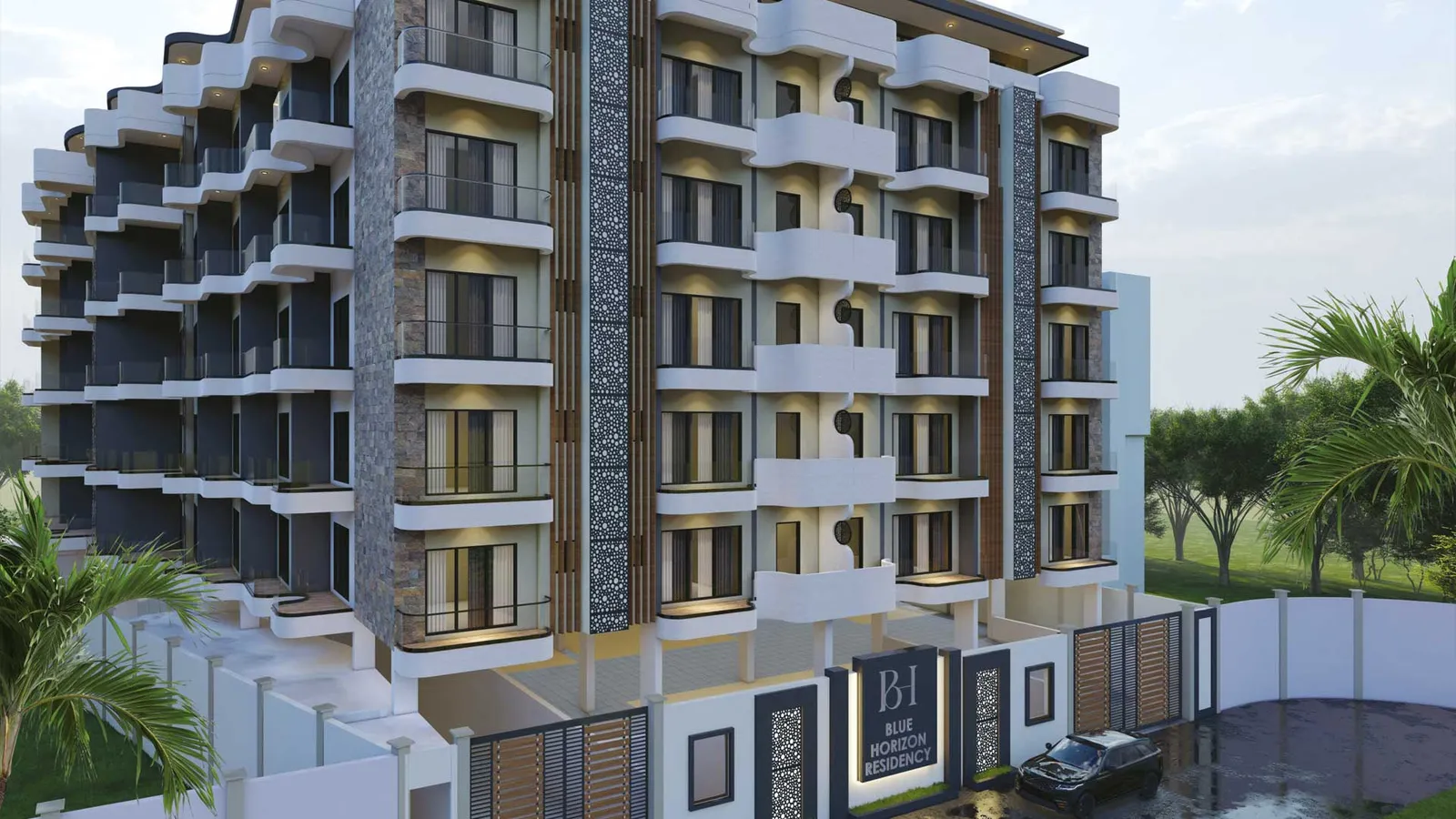
Apartment complex
by Simba Developers - Upanga Branch
Experience luxury by the sea in Masaki, Dar es Salaam, within a secure setting.
Dar es Salaam · Masaki
Price on request
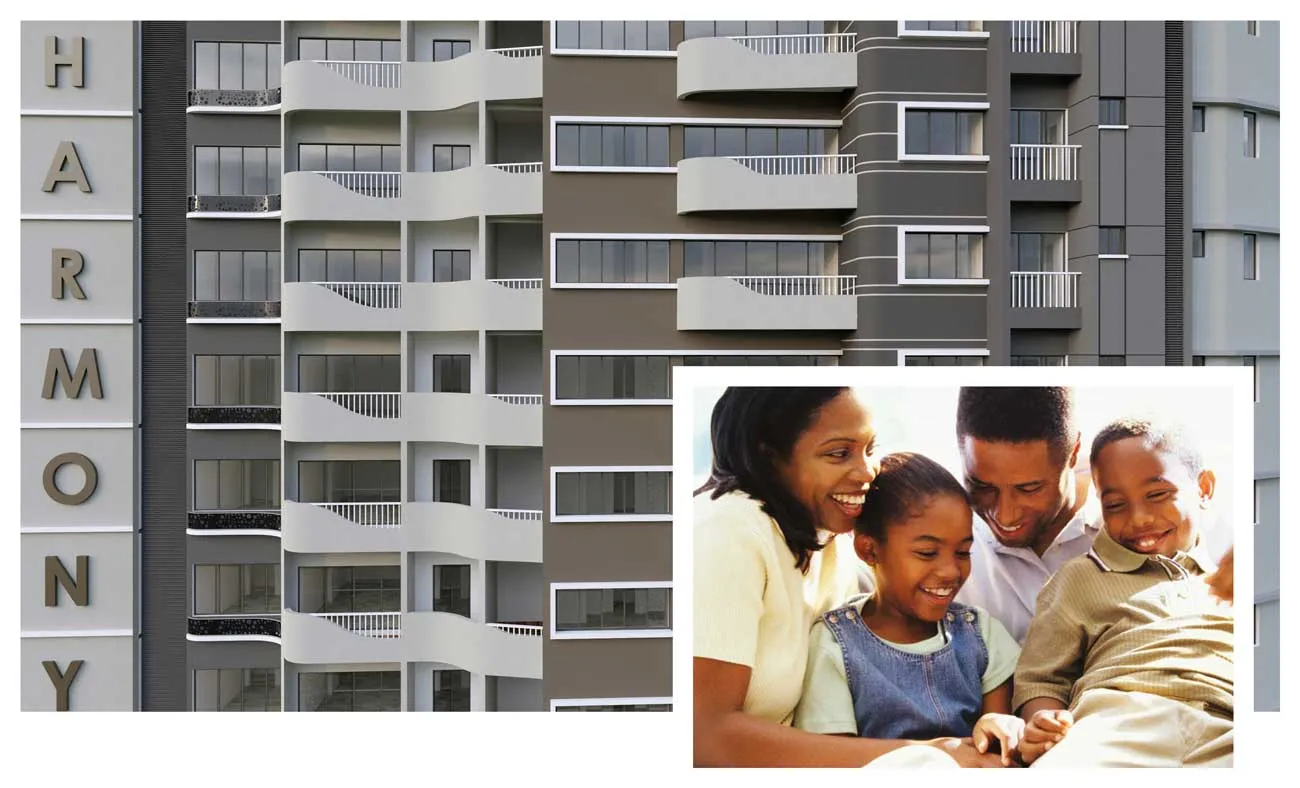
Residential
by Simba Developers - Upanga Branch
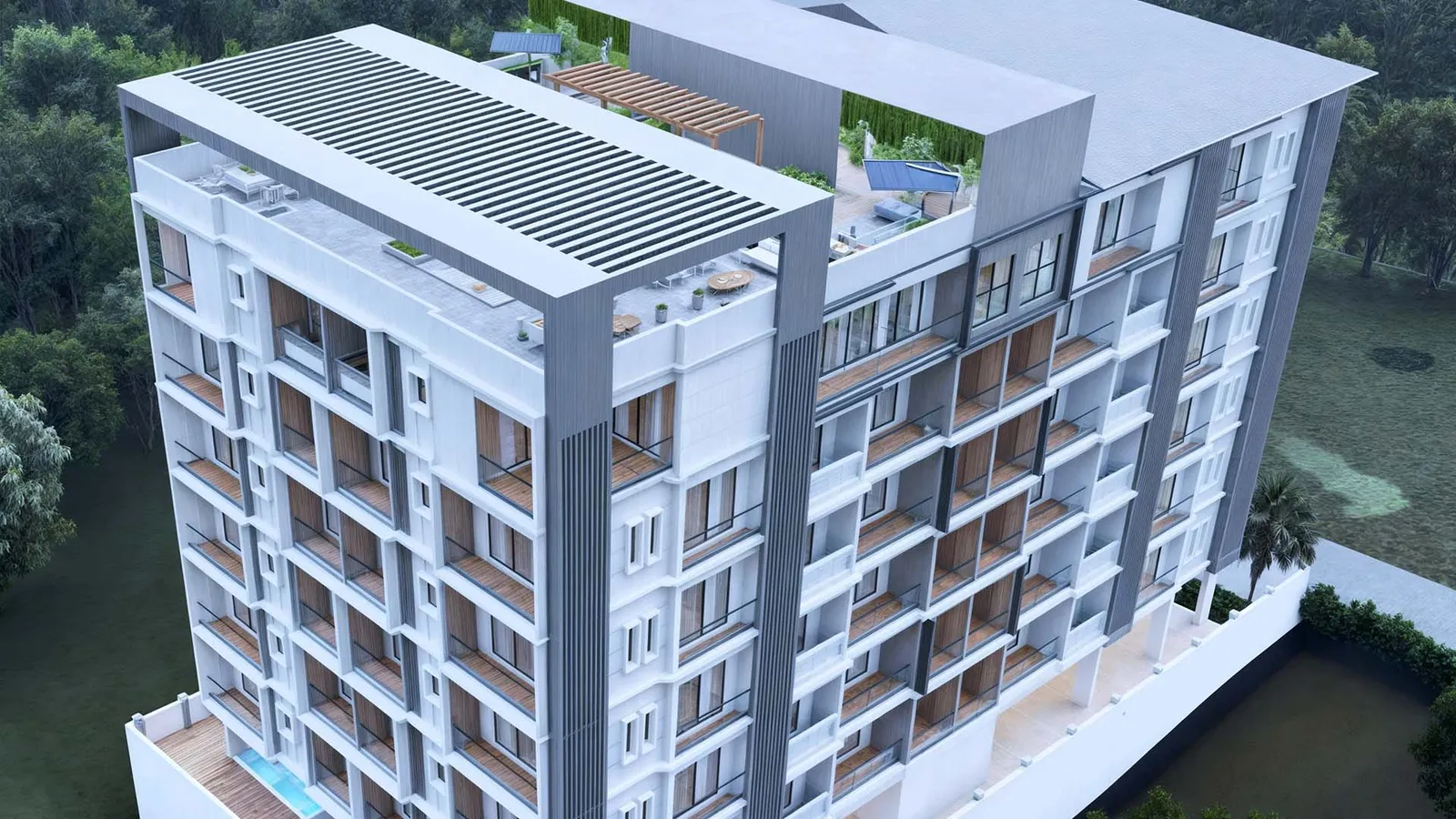
A new residential landmark rises in the urban landscape of Dar es Salaam.
Dar es Salaam
Price on request
Residential
by Simba Developers - Upanga Branch
Mary Knoll Residency, a hotel‑style residential building in the heart of Masaki.
Dar es Salaam · Masaki
Price on request
Dar es Salaam has approximately 5.4 million inhabitants according to the 2022 census and continues to experience sustained population growth. The city attracts Tanzania's economic and political elites, which directly influences resource distribution and land access. The real estate sector reached TZS 5.4 trillion in 2024 and contributes 2.5% of national GDP.
The housing deficit is estimated at 3 million units by the National Housing Corporation, with annual demand for an additional 200,000 units. This structural shortage explains the coexistence of high-end developments on the Msasani Peninsula and informal settlements where 70 to 80% of the city's residents live.
The Msasani Peninsula, comprising Masaki and Oyster Bay, is described by consulted sources as the city's most established area for high-end residential property, hosting embassies, international schools and yacht clubs. Projects here are often sold off-plan, with handovers scheduled several years ahead. Upanga, closer to the city centre, mixes colonial-era buildings with recent residential towers. It is also an area where seasonal flooding from the Msimbazi basin is a recurring phenomenon.
Mikocheni offers an alternative to the peninsula with villas on established plots. Mbezi Beach, 20 km north, attracts families who prefer space and larger plots, with international schools such as Braeburn. Kigamboni, across the bridge inaugurated in 2016, is experiencing rapid growth according to consulted sources, with more accessible prices and coastal development projects.
In Tanzania, all land is public and held in trust by the President on behalf of citizens, under section 4 of the Land Act 1999. No individual, local or foreign, holds freehold ownership. Land interests take the form of Rights of Occupancy granted for 33, 66 or 99 years, or derivative rights for foreign investors.
Section 20(1) of the Land Act prohibits foreigners from acquiring land in their personal capacity. A foreign investor may nevertheless obtain a derivative right through the Tanzania Investment Centre, now Tanzania Investment and Export Promotion Authority (TISENZA), for approved investment projects. This right can reach 99 years and be mortgaged, subject to prior approval by the Commissioner for Lands.
Transferring a right of occupancy requires an approved deed of transfer, registration with the Registrar of Titles, and payment of registration fees (0.25% under the Land Registration Act) and stamp duty (1% of market value). The seller is liable for capital gains tax of 3% for developed land and 10% for undeveloped land.
Title verification is the mandatory first step. Request an official land search at the District Land Office to confirm the registered holder, remaining term of the right of occupancy, any encumbrances and outstanding land rent. A physical inspection with a licensed surveyor verifies that on-ground boundaries match cadastral records.
In unplanned settlements, which represent the majority of housing in Dar es Salaam, residents often hold sales agreements or residential licences rather than formal titles. These documents offer limited legal protection. The Residential Licence programme has covered approximately 180,000 households since 2005, but these licences remain interim titles.
For rentals, the Rent Restriction Act 1984 governs landlord-tenant relationships. The landlord must obtain approval from a competent tribunal (Ward Tribunal or District Land and Housing Tribunal) to proceed with eviction. A minimum 30-day notice is required for rent arrears, stating the exact amount owed.
Tanzania's mortgage market remains underdeveloped: the ratio of mortgage debt to GDP reached only 0.42% as of 31 March 2025. Thirty-one banks offer residential mortgages, with interest rates ranging from 15% to 19%. The Tanzania Mortgage Refinance Company (TMRC), established in 2010, provides long-term funding to primary lenders and has helped extend loan terms from 5-7 years to 25 years.
The average mortgage size stands at TZS 118.66 million (approximately USD 44,400) in Q1 2025. The leading lenders are CRDB Bank, NMB Bank, Azania Bank, Stanbic Bank and First Housing Finance Company.
Imonga lists several new developments in Dar es Salaam. On the peninsula, Mary Knoll Residency (Masaki) and new apartments at Oyster Bay are under construction. Upanga hosts Peninsula Residence (sold out) and Vijana Towers. Kigamboni has Al Mawada Breeze (delivered) and Apex Properties (planned). Kibugumo is seeing The Presidency Avenue, a mixed-use project. Other developments are underway in Kariakoo (Grand Sultan), Kimbiji (Kimbiji Sea View) and Kinondoni District (Motek Residential Housing).
A foreigner cannot hold a right of occupancy directly. They may nevertheless acquire an apartment through a company holding a derivative right granted by TISENZA, or enter into a long-term lease. The property must be used in accordance with approved investment objectives. Consult a lawyer to structure the acquisition.
Rights of Occupancy are generally granted for 33, 66 or 99 years. Derivative rights for foreign investors can reach 99 years. The title is renewable, subject to compliance with lease conditions and payment of land rent.
Verify that the landlord is the registered holder or their authorised representative. Require a written contract specifying rent, duration, security deposit and termination conditions. Keep payment receipts: they constitute essential evidence in case of dispute before land tribunals.
Unplanned settlements house 70 to 80% of Dar es Salaam's residents. Titles there are often informal (sales agreements, residential licences). These documents lack the security of a Certificate of Right of Occupancy. Occupants risk eviction during urban redevelopment projects.
The buyer pays a registration fee of 0.25% and stamp duty of 1% of market value. The seller is liable for capital gains tax of 3% for developed land, 10% for undeveloped land. Legal fees (3-10%) and valuation fees apply additionally. Annual land rent remains the responsibility of the registered owner.
The landlord must first notify the tenant with at least 30 days' notice stating the arrears amount, under section 104 of the Land Act. If the tenant does not pay, the landlord must apply to a competent tribunal (Ward Tribunal or District Land and Housing Tribunal) for an eviction order. Eviction without a court decision is unlawful.