Now selling
Residential
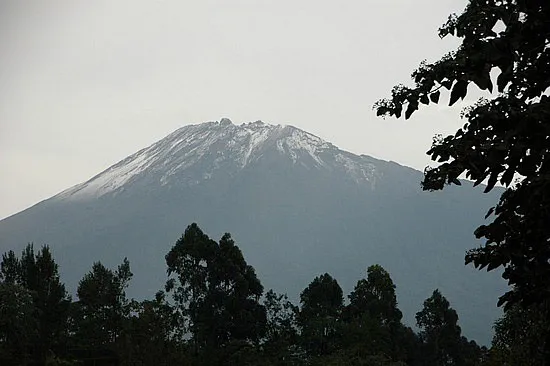
Mount Meru View
by JV Developers Limited
Mount Meru View offers ten spacious houses with breathtaking views of Mount Meru.
House
Arusha
Price on request
Arusha sits at 1,400 metres on the slopes of Mount Meru and had a population of 617,631 at the 2022 census. The regional capital and headquarters of the East African Community, the city draws expatriates, diplomats, and tourism professionals. Its property market rests on two pillars: residential demand from international institutions, and tourism activity around the northern parks (Serengeti, Ngorongoro). Neighbourhoods such as Njiro, Sakina, and Sekei concentrate the housing stock, while Usa River, 23 km away, attracts those seeking more space.
No listings found in Arusha yet. Check back soon!
Residential
by JV Developers Limited
Mount Meru View offers ten spacious houses with breathtaking views of Mount Meru.
Arusha
Price on request
Residential
by Br Real Estate
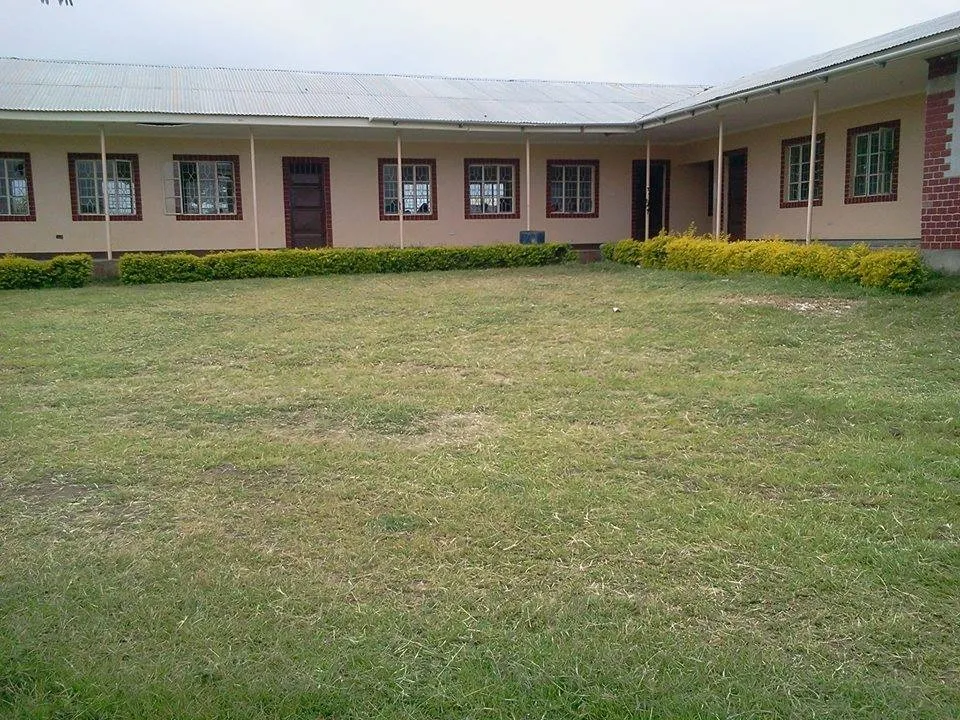
19.6‑acre school site in Kisongo, Arusha, featuring a multipurpose hall, dormitories and water reservoir.
Arusha
Price on request
Arusha is not a single city centre. Each neighbourhood suits a different budget and lifestyle.
Njiro is the first name agents mention for a modern home. The Njiro Shopping Complex, a Braeburn international school infant campus in Njiro, the ESAMI regional management training institute, and residential estates such as Sun Park Estate make it the preferred area for expatriates and families. Njiro does not correspond to an administrative ward, so no census population figure exists for it specifically.
Sakina, at 1.4 km² with 19,172 residents in the 2022 census, is denser and more affordable. Located on the Nairobi-Moshi highway, it is served by long-distance coaches. The housing stock is older, which is a factor of appeal for rental investors.
Sekei, at 2.6 km² with 9,213 residents, hosts Arusha City Council headquarters, the East African Legislative Assembly, the Arusha International Conference Centre, and Mount Meru Regional Referral Hospital. It is a central, tightly built area suited to young professionals rather than large families.
Kijenge, 6 km from the centre, is a commercial hub with banks and hardware shops. Two dala-dala minibus lines connect the area to downtown in about ten minutes. The housing mix includes older homes and plots for building.
Usa River, 23 km east, is a town in its own right and the seat of Meru District. It hosts the University of Arusha and the School of St Jude. The Kilimanjaro Golf and Wildlife Estate and Dolly Estate, a former sisal plantation converted to low-density residential use, offer plots of more than one acre. The drive from Kilimanjaro International Airport takes about 30 minutes.
All land in Tanzania is public land held by the President as trustee for all citizens. Section 20(1) of the Land Act, Cap. 113 [R.E. 2023] prohibits foreigners from owning land in their personal capacity.
A foreign investor may still access land through a derivative right issued by the Tanzania Investment Centre (TIC), now the Tanzania Investment and Export Promotion Authority (TISEZA), within a registered investment project. This mechanism is provided under sections 45 to 47 of the Tanzania Investment Act, 2023. The derivative right may be mortgaged, subject to prior written approval by the Commissioner for Lands.
Ownership is proved by a Certificate of Title issued under the Land Registration Act, Cap. 334 [R.E. 2023]. All interests in land must be registered with the Registrar of Titles. The register maintained by the Ministry of Lands is conclusive evidence of title.
Before any purchase, instruct a lawyer or notary to conduct a land registry search to confirm the absence of encumbrances, disputes, or double sales. Customary rights exist, notably on village land governed by the Village Land Act, Cap. 114, but they only convert to registered title through a formal procedure.
Purchasing real estate in Tanzania triggers several statutory charges. Stamp Duty is levied at 1% of the property value under the Stamp Duty Act, Cap. 189 [R.E. 2023]. Registration fees are payable at 0.25% under the Land Registration Act, Cap. 334 [R.E. 2023]. Capital Gains Tax is payable by the seller: according to PwC, the rate is 10% for a resident and 30% for a non-resident, under the Income Tax Act, Cap. 332 [R.E. 2019].
The seller must also clear outstanding land rent with the Ministry of Lands. The buyer typically pays legal fees, which, according to the information available, range from 3% to 10% of the value.
In ownership, two taxes fall on the owner. Property tax, payable annually to the local authority under the Local Government Finance Act, Cap. 290 [R.E. 2023], varies by property use and location. For unvalued properties, the flat rate is TZS 18,000 for a normal building and TZS 90,000 per storey for a storeyed building, according to PwC. Land rent, payable annually to the Ministry of Lands, depends on location and land category. The owner may contractually pass these costs to a tenant, but liability to the government remains with the owner.
The Tanzanian mortgage market remains shallow: according to Tanzania Invest, mortgage lending is 0.29% of GDP. In 2024, 31 banks offered housing loans at interest rates between 13% and 19%. The Tanzania Mortgage Refinance Company (TMRC), established in 2020, provides long-term liquidity to lenders. The Bank of Tanzania reports average lending rates at around 15%.
In Arusha, according to the information available, rental yields range from 6% to 8% in areas sought after by NGOs and international staff. Furnished apartments in Njiro and Sakina rent for USD 700 to 1,500 per month. More modest options range from USD 200 to 500. Rent is usually quoted monthly and is negotiable, especially for a lease of one year or more. The security deposit typically equals one to two months' rent.
The Imonga page consulted for Arusha indicates annonces=0 and annoncesParType=[]. The platform is presented as carrying listings in Arusha covering various property types (apartments, houses, land, and commercial premises) as well as new development projects in the area, including residential projects under construction. To refine your search, browse listings by property type or explore new developments on the dedicated page.
No, a foreigner cannot own land in their personal capacity in Tanzania. They may obtain a derivative right from TISEZA within a registered investment project. This right typically takes the form of a long-term lease. A lawyer or notary must verify that the project is properly registered before any agreement is signed.
Request the Certificate of Title issued under the Land Registration Act, Cap. 334. Have a legal professional conduct a land registry search to confirm the holder's identity and the absence of mortgages or disputes. Also check receipts for up-to-date land rent. On village land, require approval from the village council and the land committee.
Prices vary widely by neighbourhood. In Njiro and Sakina, a furnished apartment rents for USD 700 to 1,500 per month. More modest options range from USD 200 to 500. Rent is usually paid monthly and is negotiable, especially for a one-year lease. Budget for a security deposit of one to two months' rent.
The buyer pays stamp duty at 1% of the property value and registration fees at 0.25%. Legal fees, according to the information available, range from 3% to 10%. The seller pays capital gains tax (according to PwC, 10% for a resident and 30% for a non-resident) and must clear outstanding land rent. Annual property tax and land rent remain the owner's responsibility.
Njiro is frequently cited for its security, international schools, and shops. Sekei, particularly the Sanawari sub-neighbourhood, is also considered safe. Sakina is denser and more affordable, with strong rental demand. Usa River, outside the city, offers more space and a quiet environment. Visit each area at different times before deciding.