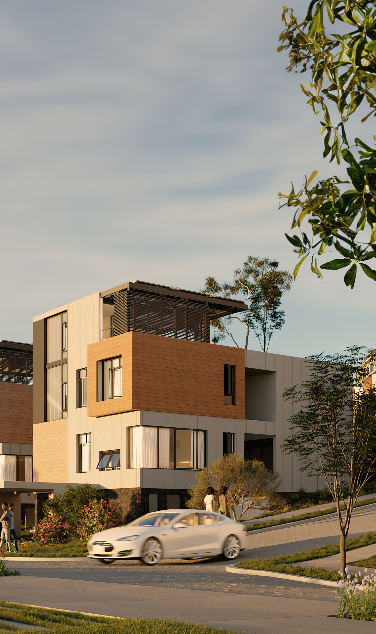
DeliveredVerified developer
Housing estate
Vision City Phase I
by Ultimate Developers Ltd
504 upscale homes delivered in Gacuriro, Kigali, by UDL
VillaApartmentTownhouseDelivery 2017
Kigali · Gacuriro
From US$108M
Kigali, the capital of Rwanda, spans three districts: Gasabo, Kicukiro, and Nyarugenge. The city concentrates most of the country's real estate activity, with a market dominated by emphyteutic leasehold, while freehold ownership is reserved for Rwandan citizens. Neighborhoods such as Nyarutarama, Kimihurura, Kiyovu, and Remera offer distinct residential profiles, from diplomatic standards to more accessible areas, according to available descriptions. The 2050 Master Plan reduces commercial and residential zones in favor of mixed-use developments.
No listings found in Kigali yet. Check back soon!
Housing estate
by Ultimate Developers Ltd
504 upscale homes delivered in Gacuriro, Kigali, by UDL
Kigali · Gacuriro
From US$108M
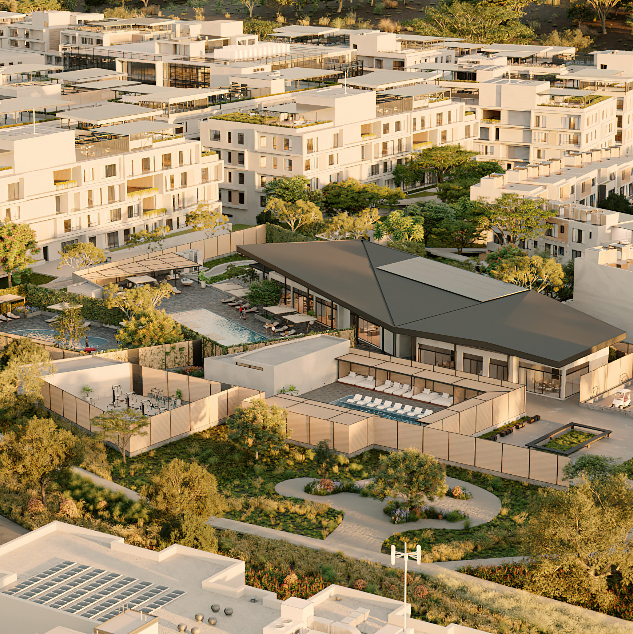
Housing estate
by Ultimate Developers Ltd
1,497 homes preselling in Gacuriro, Kigali, by UDL
Kigali · Gacuriro
Price on request
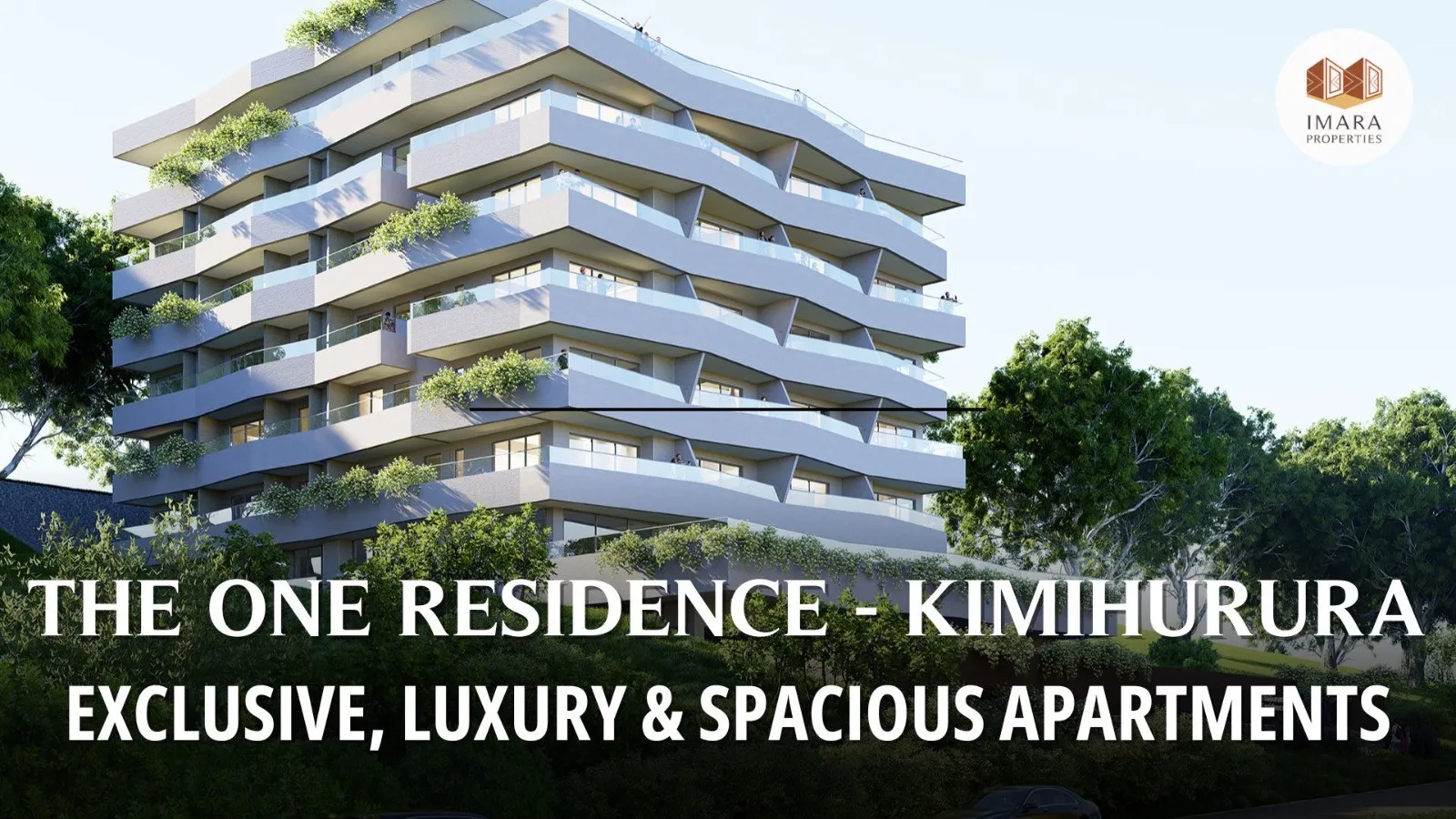
Apartment complex
by Imara Properties Rwanda
Prestige and exclusivity define The ONE Residence in Kimihurura, at the heart of Kigali, Rwanda.
Kigali · Kimihurura
From US$255,000
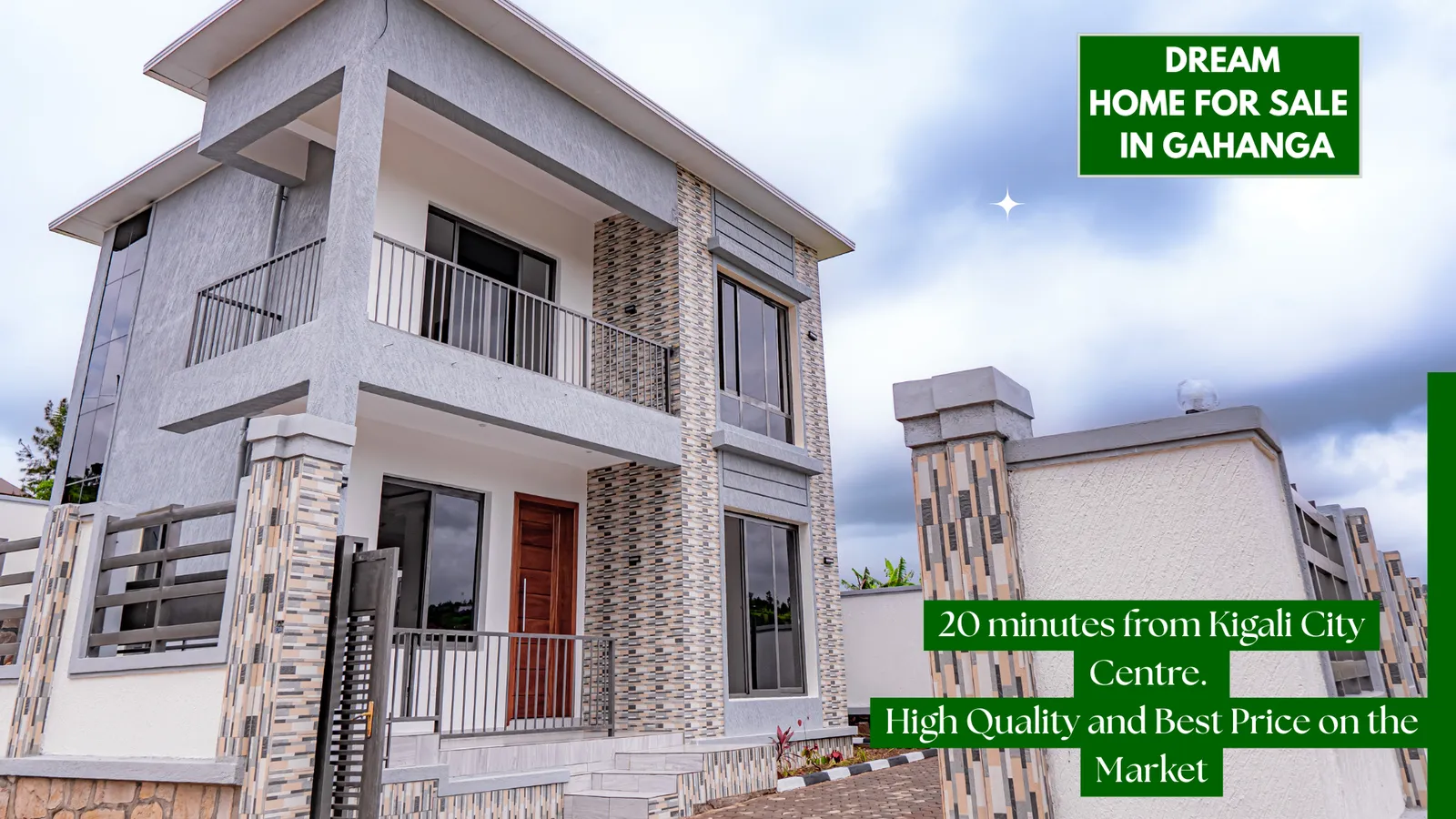
Residential
by GREEN GRAPHENE CONTRACTOR
Single-family house in Gahanga with 4 bedrooms, 2 bathrooms, double parking, and an external kitchen annex.
Kigali · Gahanga
From RF 150M
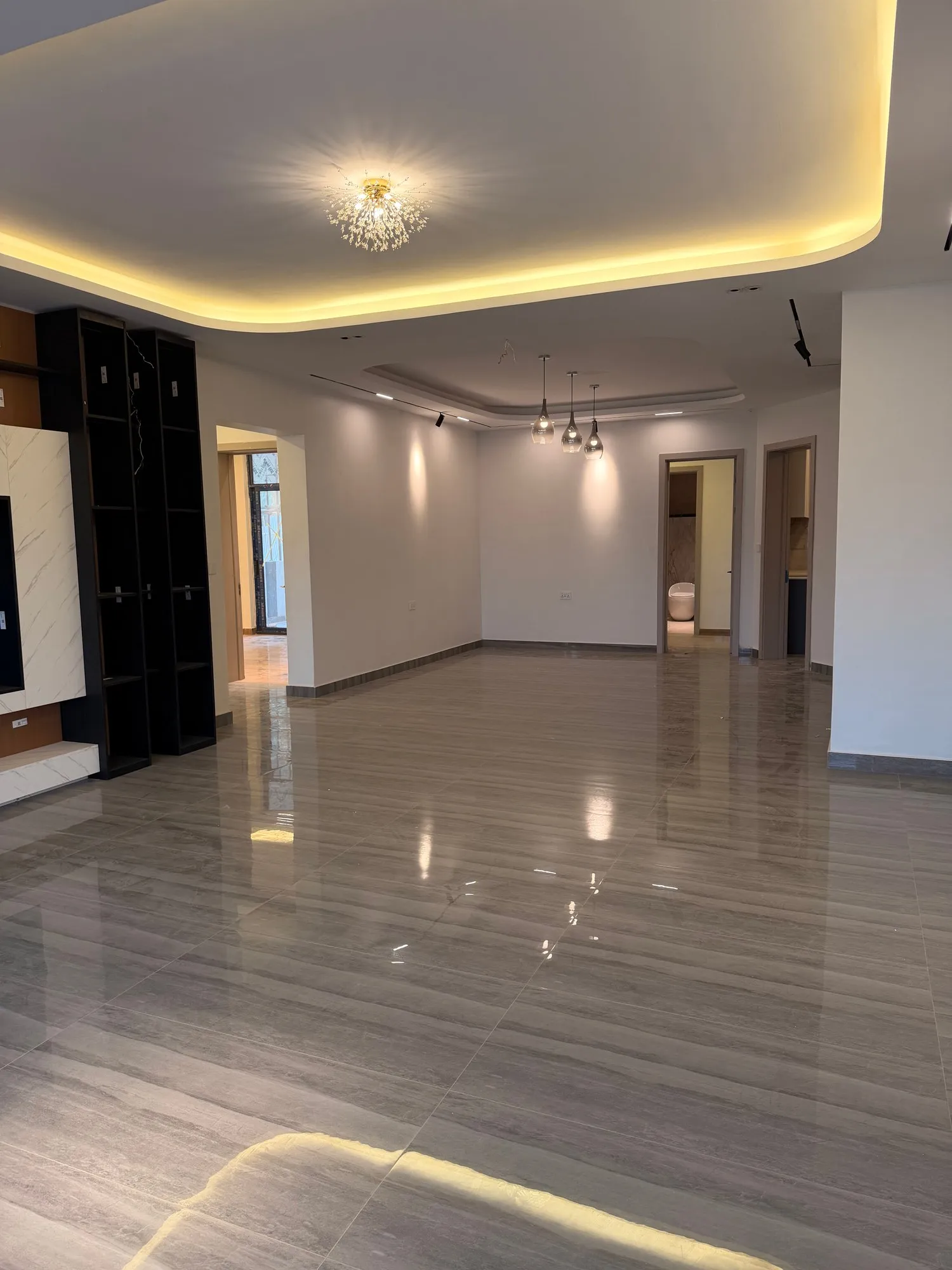
Apartment complex
by JSR Golf Village
Luxury apartments and penthouses with direct view over Kigali Golf Course
Kigali · Kacyiru
Price on request
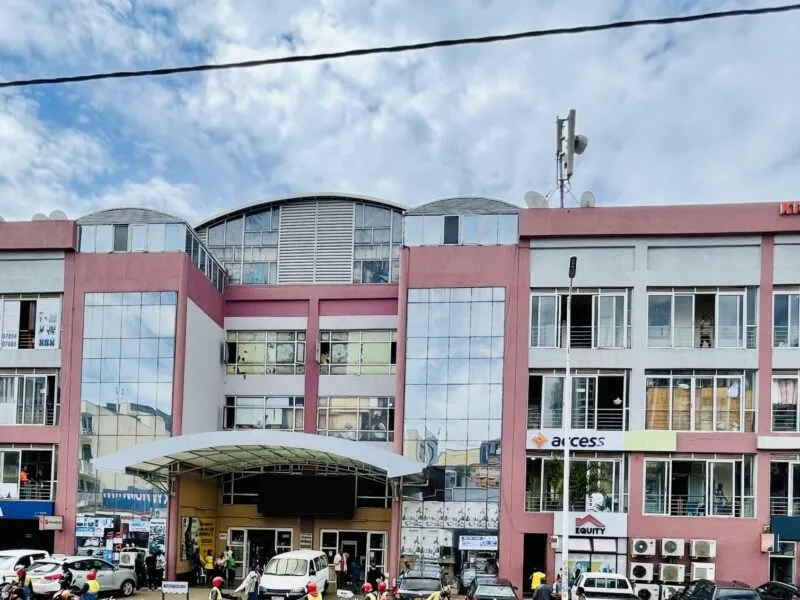
Commercial
by Kigali Investment Company (KIC) Ltd
Kigali City Market, your all‑in‑one commercial destination in Nyarugenge with 927 units and four floors.
Kigali · Nyarugenge District
Price on request
In Rwanda, Law n° 27/2021 of 10 June 2021 governing land reserves freehold ownership for Rwandan citizens. Article 16 of this law grants foreigners an emphyteutic lease for investment purposes. For residential use, a foreigner may hold a single plot for a single-family residence, subject to the size limits set by Ministerial Instructions n° 001 of 9 September 2021. Any excess or multiple acquisition requires an investment business plan approved by the competent authority, in practice the Rwanda Development Board.
The duration of the emphyteutic lease is set by Article 18 of Prime Minister's Order n° 8 of 3 July 2022, according to the cited sources. For land with residential, commercial, industrial, or transport use, it is 49 years. For agricultural, livestock, forestry, or wetland use, it reaches 99 years. Article 20 of the same order distinguishes renewal: for a Rwandan, it is automatic; for a foreigner, a written application must be filed with the registrar of land titles at least 90 days before expiry. Failure to do so extinguishes the right and the land reverts to the State's private domain.
Conversion from leasehold to freehold is possible for any leaseholder who has built lawfully and obtained an occupancy permit. This conversion is processed by the National Land Authority, with no change in holder or parcel. The land title is registered in the Land Administration Information System (LAIS) under a Unique Parcel Identifier (UPI).
Kigali is divided into three administrative districts. Each hosts neighborhoods with different characters.
Nyarutarama is an upscale residential area, frequented by diplomats, international executives, and senior officials. It hosts the Kigali Golf Course and the MTN Centre mall. Streets are paved and properties are spacious.
Kimihurura combines housing, restaurants, offices, and shops. Its proximity to the Kigali Convention Centre and Kigali Heights makes it popular with expatriates and professionals. The neighborhood has modern apartments and standalone houses.
Kiyovu, in Nyarugenge District, extends the central business district. The neighborhood guides consulted describe it as one of the city's oldest neighborhoods, with mature trees and larger gardens in some parts. The Union Trade Center, Marriott Hotel, and Kigali Serena are located here.
Kacyiru is the institutional quarter: ministries, embassies, and international organizations. The rental market is sustained by public sector and diplomatic professionals.
Remera, to the east, is well served and close to the international airport. It mixes residential and commercial activity, with Amahoro Stadium and Kigali Arena nearby.
Gacuriro and Kibagabaga, in Gasabo District, attract families and professionals seeking modern housing outside established central neighborhoods. Gacuriro has planned developments and recent residences.
Kicukiro, to the south and southeast, covers a large area with established and developing residential zones. Kanombe, in this district, is near the airport and, according to the neighborhood guides consulted, is experiencing residential growth.
The 2050 Master Plan, launched in September 2020, reorganizes the city's zoning. The number of commercial zones is reduced from nine to three, and residential zones from seven to five. The plan encourages mixed-use development in the city center, currently dominated by offices and retail. It projects a population of 3.8 million, a gross density of 5,198 people per square kilometer, and 1.8 million jobs.
Zoning determines what can be built. According to the information available, in commercial zone C1, plot coverage is limited to 60% and height to five levels (G+4). In zone C3, coverage reaches 70% and height eleven levels (G+10). Residential zones range from R1 (low density) to R4 (high density). Every project must respect the zoning of its UPI. Change of use is possible on application, with approval from the competent authority.
The KUBAKA portal (BPMIS 2.0), launched in 2025, centralizes building permit applications. Landowners create an account, check the zoning of their UPI, and assign a licensed engineer or architect to submit the application. The system is integrated with the Land Administration Information System (LAIS), the National Identification Agency (NIDA), the Revenue Authority (RRA), and the engineers' and architects' institutes.
According to the information available, processing time is 21 days at the City of Kigali One Stop Center and 30 days at other district OSCs. The initial permit is valid for one year and renewable. For certain project categories, an Environmental Impact Assessment (EIA) certificate from the Rwanda Development Board is required.
The Kigali construction one-stop center handles all projects except single-family residences, which are processed at district level. Permit fees for an individual house range from RWF 20,000 to RWF 60,000.
The landlord-tenant relationship rests on the contract. Rwanda's contract law (Law n° 45/2011) makes any written agreement binding on both parties. Yet many leases are concluded orally or without precise clauses, exposing tenants to arbitrary rent increases.
The contract should specify the rent, its frequency, the lease duration, rent revision conditions, and termination terms. Without a revision clause, the landlord cannot increase rent during the agreed term. The security deposit is negotiable between parties and refunded at lease end if the tenant has met obligations and returned the property in good condition.
Rents in Kigali vary by neighborhood and standard. According to the information available, studios rent for USD 300 to 600 per month, two-bedroom units for USD 600 to 1,200, according to market data observed in 2025. Luxury apartments in Nyarutarama or Kimihurura can exceed USD 1,500 monthly.
This answer is general and is not personal advice: before you commit, have your situation checked by a notary or a lawyer.
Purchasing property in Kigali begins with verifying the land title in the LAIS system, via the UPI. The seller must hold a registered title: emphyteutic lease certificate or freehold title. The sale deed is executed before a notary. Notary fees include fixed charges on the sale deed and its copies.
Transfer is updated in the LAIS system. Land transfer fees were revised as part of title digitization. Paper title printing, previously charged at RWF 5,000, was eliminated under the new electronic titling system. For current fee details, inquire with the National Land Authority or a notary.
Foreign buyers must verify three elements: the land use designation, the remaining lease term, and the absence of mortgages or caveats on the title. They must also ensure they do not already hold a residential plot or apartment in Rwanda, unless they incorporate a company with an investment certificate.
Imonga lists several new developments in Kigali. In Gasabo District, Oasis Park II and Avida are under construction. In Kimihurura, The ONE Residence is listed in the catalogue. In Nyarutarama, R. Residence is in planning and Royal Golf View Apartment Hotel is also referenced there. In Kiyovu, Premier Real Estate offers apartments in presale and under construction. In Kacyiru, Block A&B project is referenced. In Remera, REMERA PROJECT and Residence Nyakare are under construction. In Gahanga, GREEN GRAPHENE CONTRACTOR markets single-family houses. Kigali Innovation City, in planning, is a mixed-use project with no specified area.
Imonga's listings in Kigali and new developments present these properties with their characteristics.
A foreigner can acquire an emphyteutic lease, but not freehold, except by Presidential Order for strategic national interest. For a primary residence, they may hold a single family plot. For multiple properties or a larger project, they must incorporate a company and obtain an investment certificate from the Rwanda Development Board. To secure a transaction, consulting a Rwandan notary or lawyer specialized in land law is recommended.
For residential, commercial, or industrial use, the emphyteutic lease lasts 49 years. For agriculture, livestock, or wetlands, it reaches 99 years. Renewal is not automatic for a foreigner: a written application must be filed with the registrar at least 90 days before expiry. A notary or lawyer can assist with this process.
The processing time is 21 days at the City of Kigali One Stop Center and 30 days at other districts. Applications are submitted online via the KUBAKA portal. Only single-family residences are processed at district level; all other projects fall under the municipal one-stop center.
The contract should specify the rent, its frequency, the lease duration, rent revision conditions, and termination terms. Without a revision clause, the landlord cannot increase rent during the agreed term. The security deposit is negotiable and refunded if the tenant meets their obligations. In case of dispute, a lawyer can help enforce these clauses.
Every registered parcel has a Unique Parcel Identifier (UPI) in the National Land Authority's LAIS system. Before any purchase, ask the seller for the UPI and verify the title, caveats, and mortgages with the registrar of land titles or a notary. A lawyer can also carry out this verification.