
Under construction
Residential
Mahogany Estate
by Luano City
Exclusive residential plots at Mahogany Estate in Lubumbashi, near the upcoming Mall.
Plot
Lubumbashi
Price on request
Lubumbashi, the capital of Haut-Katanga province, is made up of seven communes: Annexe, Kamalondo, Kampemba, Katuba, Kenya, Lubumbashi and Ruashi. This page gathers rental and sale listings published on Imonga for the city, along with new-build projects declared by their developers. As of 31 October 2026, all of these projects but one (Miroir Mall) are inside the Luano City project near the airport. In DR Congo the land itself belongs to the State: you do not buy freehold land, you acquire a concession, proven by a certificate of registration. What to check before renting or buying is set out below.
No listings found in Lubumbashi yet. Check back soon!
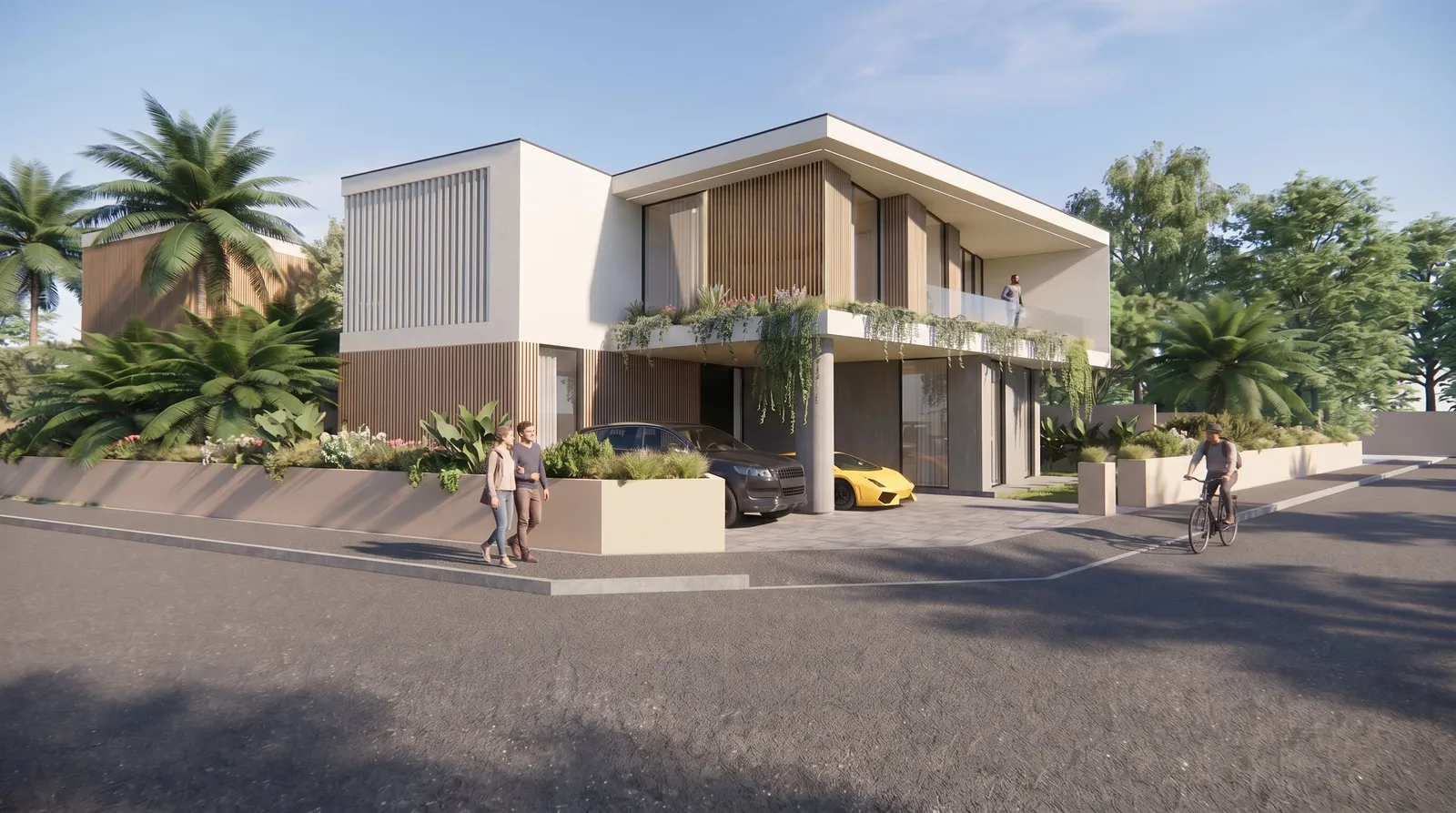
Residential
by Luano City
Exclusive residential plots at Mahogany Estate in Lubumbashi, near the upcoming Mall.
Lubumbashi
Price on request
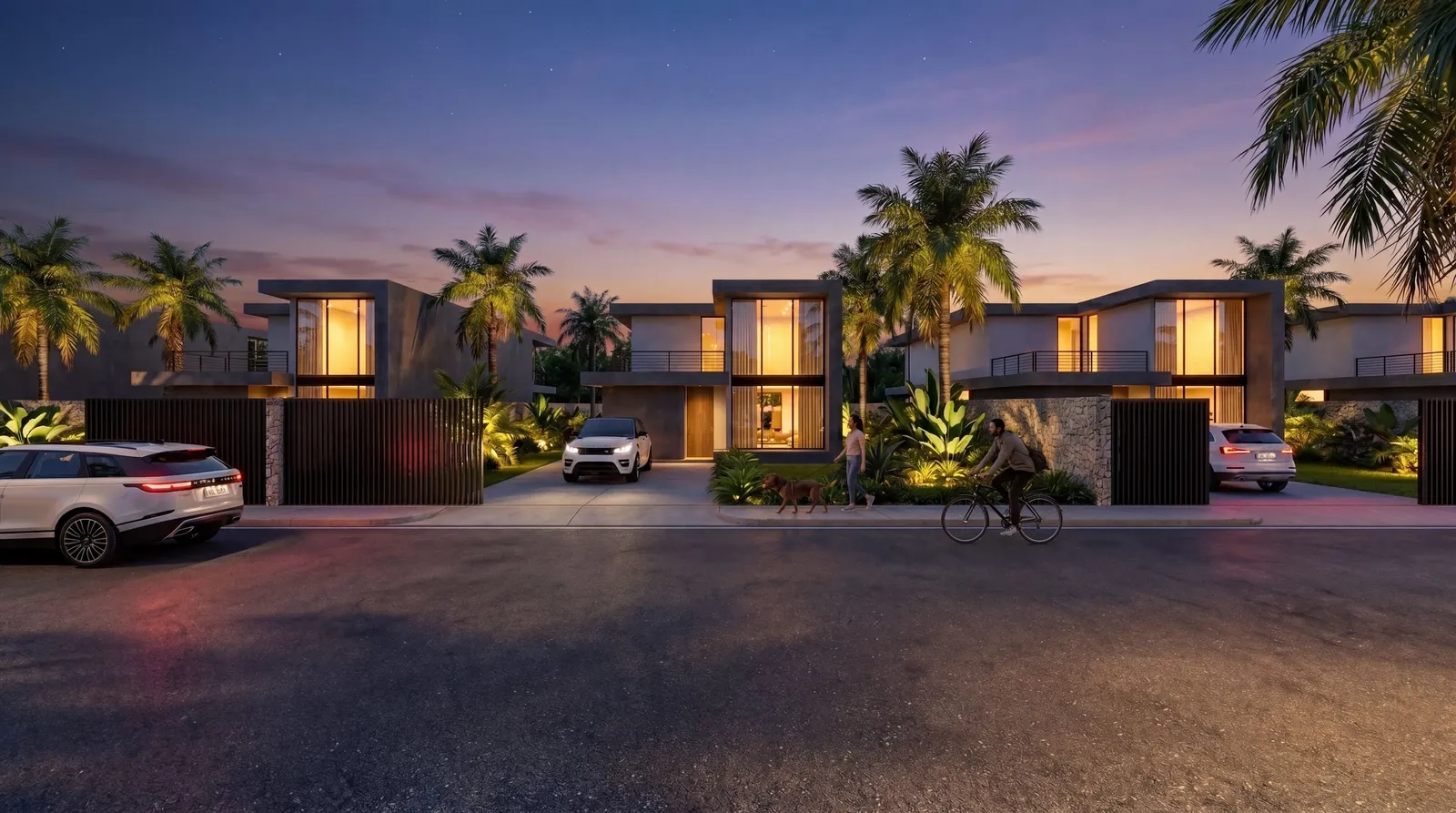
Residential
by Luano City
Discover the comfort of a secure, connected, ready‑to‑build estate in Lubumbashi.
Lubumbashi
Price on request
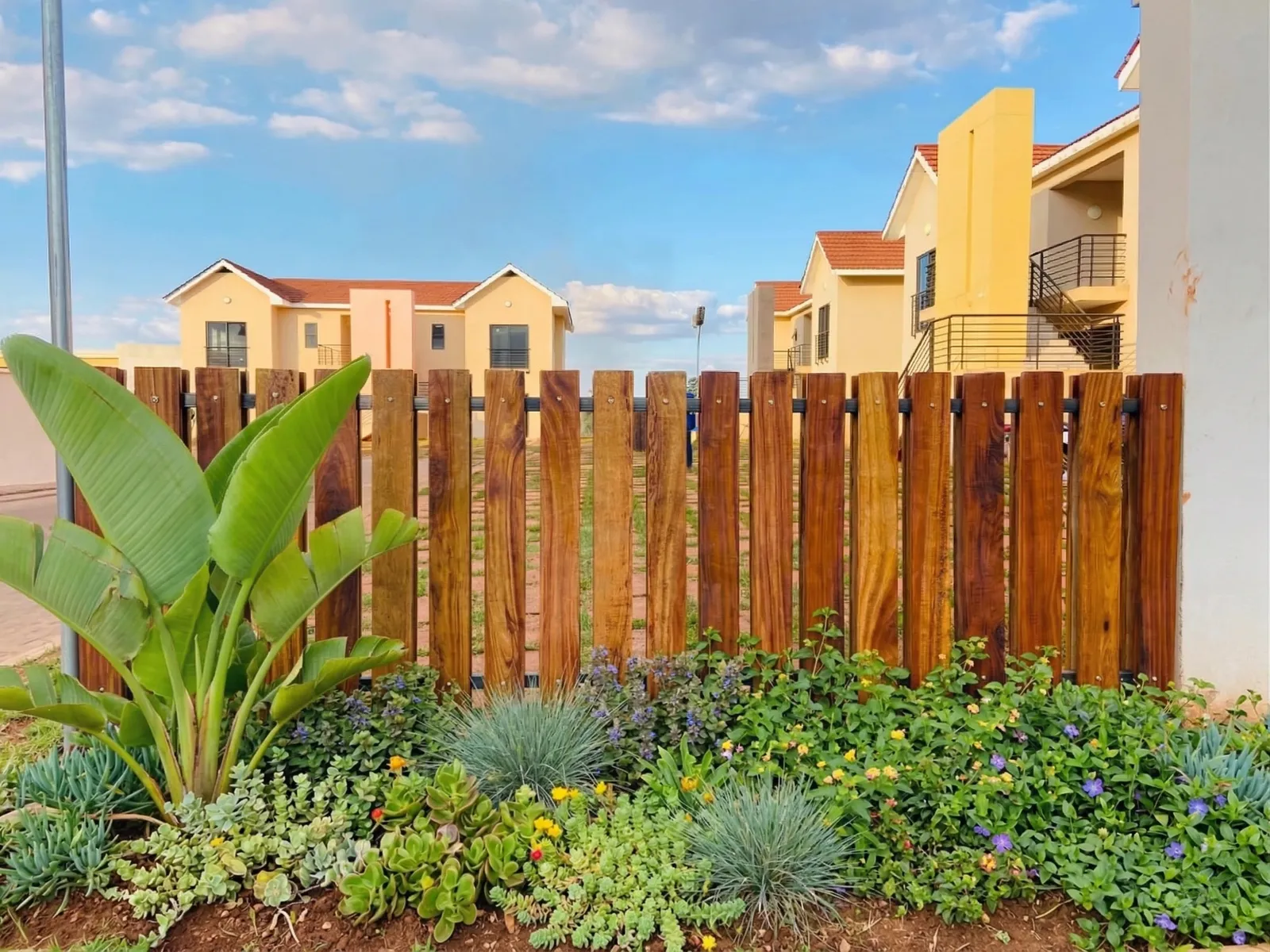
Housing estate
by Luano City
Private plots for sale in a sustainable, connected neighborhood in Lubumbashi.
Lubumbashi · Commune Annexe
Price on request
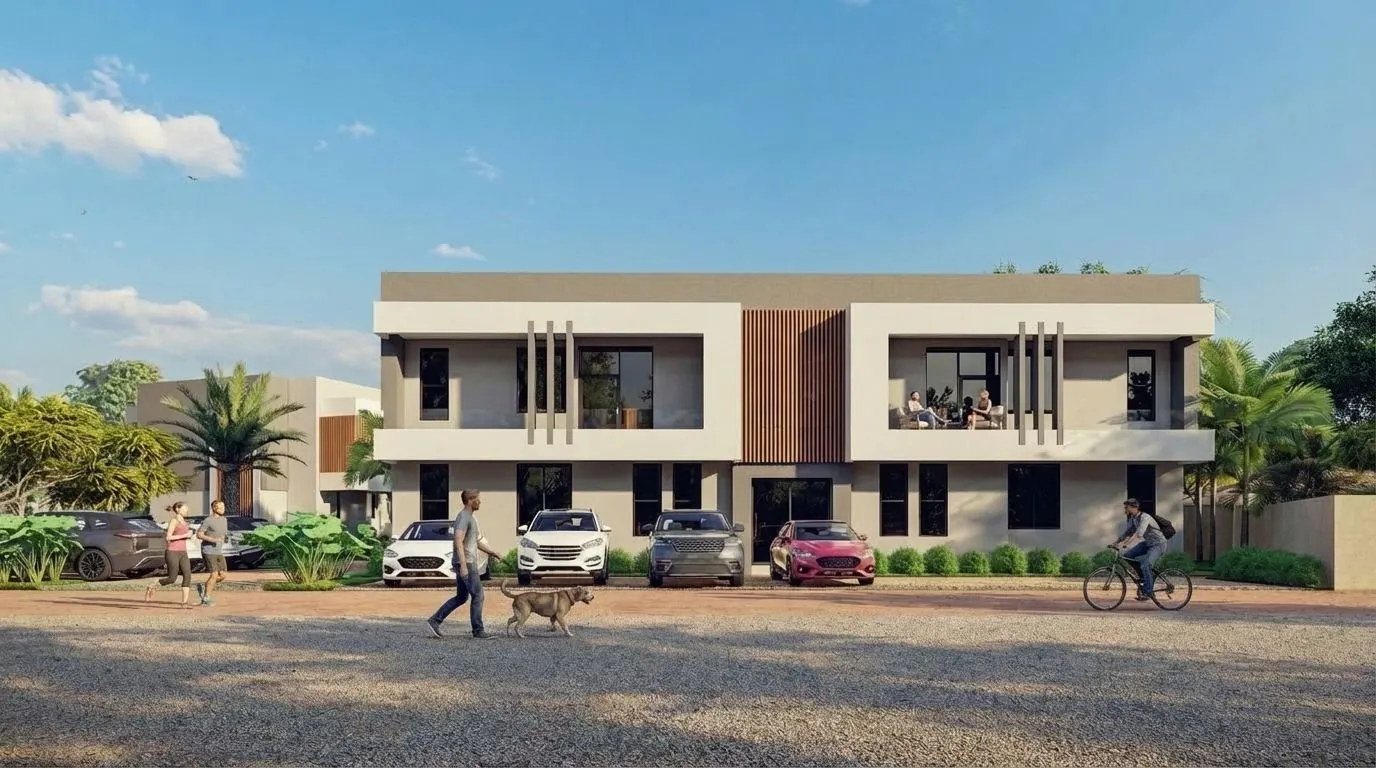
Residential
by Luano City
First residential development in Luano City, 53 secure plots.
Lubumbashi · Luano City
Price on request
Residential
by Luano City
Flamboyant Extension offers 55 residential plots in Lubumbashi, near the Flamboyant Estate.
Lubumbashi
Price on request

Commercial
by Luano City
Marriott Hotel, Lubumbashi’s upcoming 5‑star hotel combines luxury, dining and conference facilities.
Lubumbashi
Price on request
In DR Congo the land stays with the State. Article 53 of Law No. 73-021 of 20 July 1973 says it plainly: the land is the exclusive, inalienable and imprescriptible property of the State. An individual holds a right of use, and that right is legally established only by a certificate of registration (certificat d'enregistrement) of the title granted by the State (article 219 of the consolidated text of Law 73-021, as amended in 1980). A sales receipt, a letter signed by a local authority or a subdivision plan is no substitute for that certificate.
The law was amended by Law No. 25/62 of 3 December 2025, known as the N'sele law, promulgated on 31 December 2025. Among other things it provides for a digital land registry, abolishes acquisitive prescription over land and introduces a reference schedule of land values (Actualite.cd, 1 January 2026). Ask a notary or lawyer in Lubumbashi which provisions already apply to your case.
We could not verify any published schedule of notary fees, duties or processing times: ask the notary for a written quote and check with the land registry office.
Under the 1973 law as amended in 1980, perpetual concessions are reserved for natural persons of Congolese nationality (article 80 still says Zairean). A foreigner or a company therefore cannot hold one under that text. Ask a notary whether the 2025 law changed this before committing to anything.
Residential lettings fall under Law No. 15/025 of 31 December 2015 on non-professional leases. Its article 18 caps the rental deposit at three months' rent for a residential lease, as Actualite.cd (22 April 2023) points out, while also reporting that the rule is often ignored. Insist on a written lease, a receipt for the deposit and every rent payment, and a check-in inventory.
On 4 June 2026 the National Assembly passed a bill amending the 2015 law: rent set and paid in Congolese francs, a lease permit, a national digital lease register, contracts signed before the housing services, mandatory accreditation for estate agencies and a new system for managing deposits (Radio Okapi, 6 June 2026). The bill went to the Senate. As of 31 October 2026 we found no record of its promulgation, so the 2015 law remains the reference until it is.
As of 31 October 2026, all but one of the new-build projects listed on Imonga for Lubumbashi belong to Luano City, a 200-hectare development next to Lubumbashi International Airport whose first stage began in 2014, according to the engineering firm Bigen. They include housing estates (Frangipani Estate, Jacaranda Estate, Mahogany Estate), retail and office schemes (Mall of Lubumbashi, Office Park) and an announced hotel. Miroir Mall, a shopping centre and the only listed project outside Luano City, is developed by IMMOROSE. The statuses shown are declared by the developers. Before reserving off-plan, ask for the certificate of registration of the underlying land and have the contract reviewed by a notary or lawyer. Never pay a deposit to a broker or seller who cannot show a certificate in the seller's name.
In DR Congo the land belongs to the State: you acquire a concession, not the land itself. Under article 80 of Law 73-021 (1980 version), perpetual concessions are reserved for natural persons of Congolese nationality, which excludes foreigners and companies from that form of right. Law No. 25/62 of 2025 amended the text, so have a notary or lawyer confirm what applies to your case.
Only the certificate of registration legally establishes a right over land (article 219 of Law 73-021). It is signed by the land registrar and states the area, location and sketch of the property. A local attestation, a receipt or a subdivision plan is not enough. Check the certificate at the registrar's office for the district before paying any deposit.
Article 18 of Law No. 15/025 of 31 December 2015 caps the deposit at three months' rent for a residential lease, according to Actualite.cd. The press reports that some landlords ask for more. If you are asked for more, request the legal basis in writing, keep every receipt and contact your commune's housing services or a lawyer if a dispute arises.
Not with certainty yet. A bill requiring rent to be set and paid in Congolese francs was passed by the National Assembly on 4 June 2026 and sent to the Senate. As of 31 October 2026 we found no record of its promulgation. Until it is published, the 2015 law on non-professional leases remains the reference.
The sale must be made by authentic deed (article 231 of Law 73-021). The seller hands the certificate to the land registrar (article 235), who records the transfer and issues a new certificate to the buyer (article 236). The transfer only exists once that new certificate is issued. Ask the notary for a written quote of fees and an indicative timeline.