Under construction
Residential
Private Residence-Nakawuka
by Private Residence-Entebbe
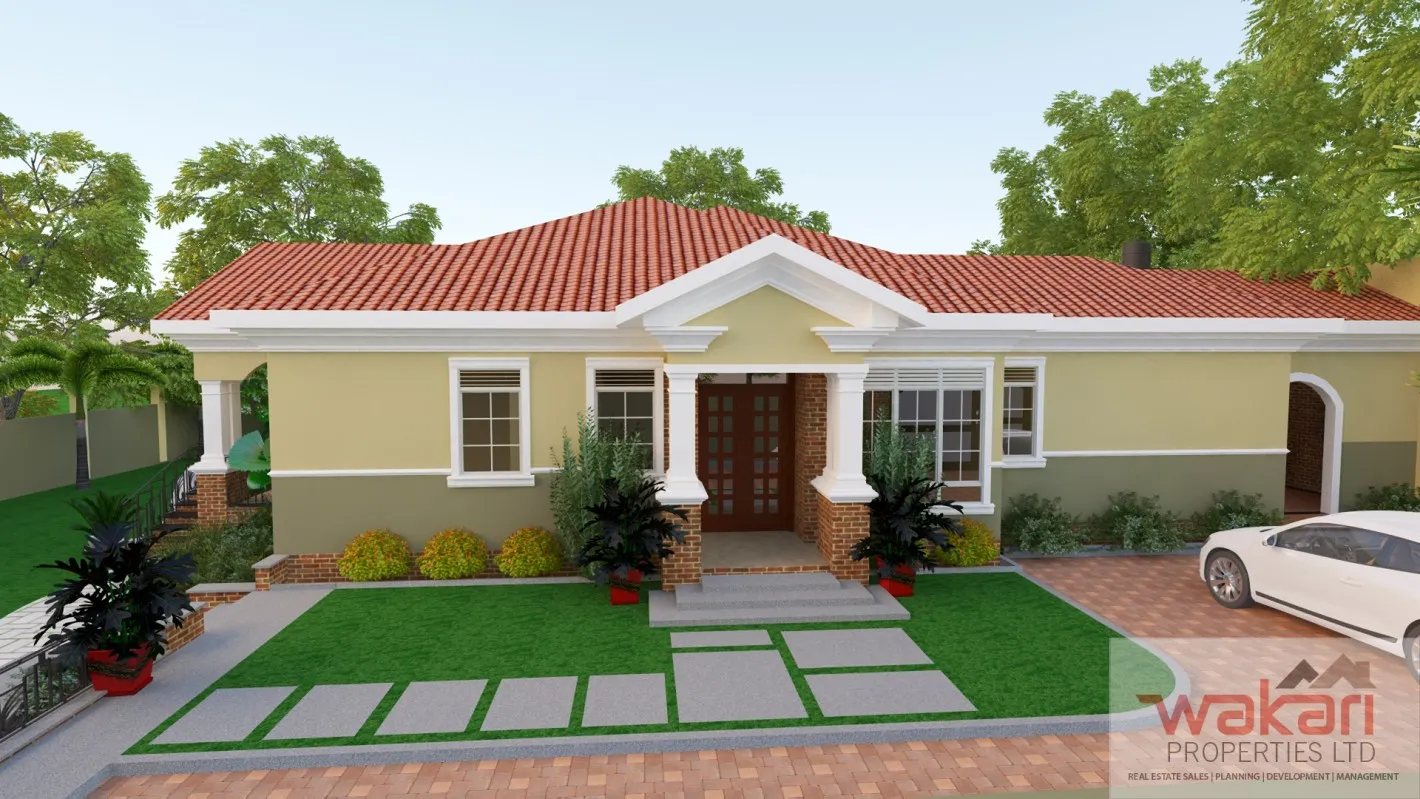
Private 4‑bedroom house in Nakawuka, on the shores of Lake Victoria, with exterior kitchen and gazebo.
House
Entebbe
Price on request
Entebbe is a Ugandan town on the shores of Lake Victoria, roughly 40 km southwest of Kampala. It hosts the country's main international airport and is connected to the capital by the 51 km Kampala-Entebbe Expressway, a toll road opened in 2018. The local property market offers houses, apartments and land, mainly in Akright Estate, Kitende and Nakawuka. Several residential developments are under construction. Before renting or buying, buyers should understand Uganda's land tenure system, which recognises four forms of ownership and strictly limits foreigners to leasehold interests.
No listings found in Entebbe yet. Check back soon!
Residential
by Private Residence-Entebbe
Private 4‑bedroom house in Nakawuka, on the shores of Lake Victoria, with exterior kitchen and gazebo.
Entebbe
Price on request
Residential
by Private Residence-Entebbe
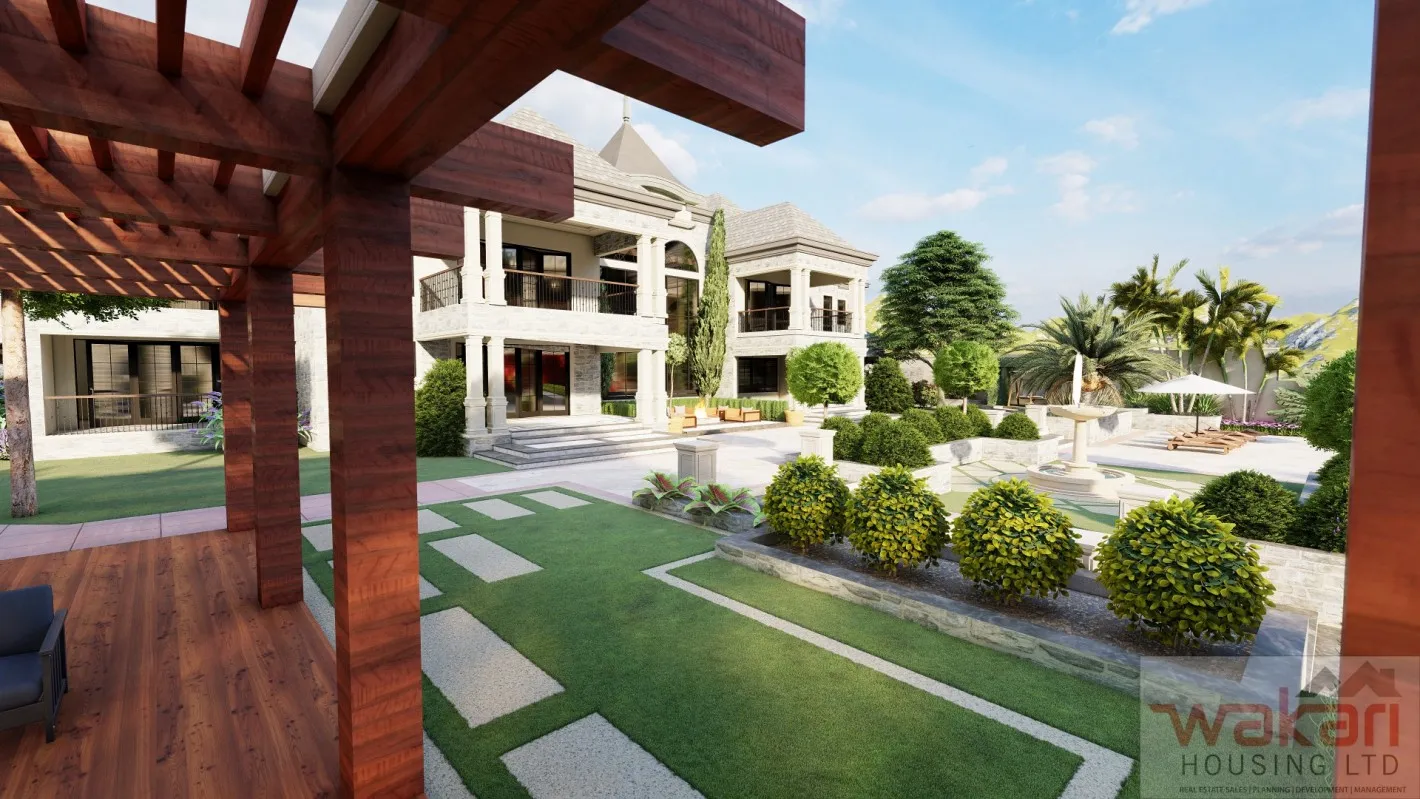
Private residence on one acre with stone façade and black roof, located in Akright Estate, Entebbe.
Entebbe · Akright Estate
Price on request
Residential
by Private Residence-Entebbe
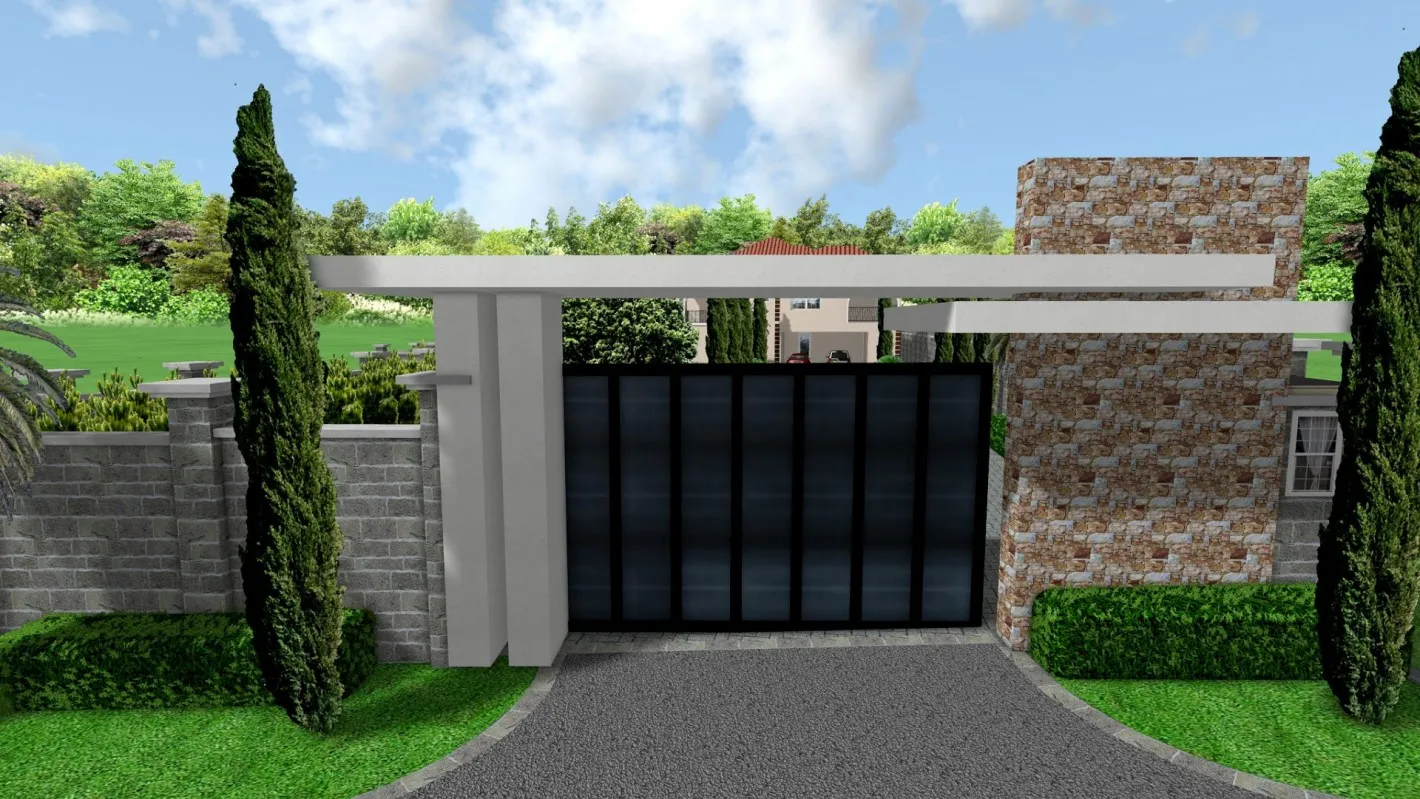
Private residence in Entebbe, a typical residential home combining functional and collaborative quality.
Entebbe · Kitende
Price on request
Entebbe stretches along Lake Victoria and the airport road to Kampala. The areas named in current Imonga listings are Akright Estate, Kitende and Nakawuka. Akright Estate is a planned residential community of 5.2 km² in Wakiso District, about 21 km northeast of Entebbe town and 20 km southwest of Kampala. It includes internal infrastructure, a golf club and retail. Kitende lies on Entebbe Road near the expressway. Nakawuka is a more distant area northwest of Entebbe.
Historic Entebbe centre, near the port and botanical gardens, holds older housing. Areas close to the airport also host residences for staff of international organisations.
On Imonga, the Entebbe listings page shows zero listings and an empty list by property type, according to available information. New developments listed include Private Residence-Akright (Akright Estate), Private Residence-Entebbe (Kitende) and Private Residence-Nakawuka. All three residential projects are under construction by the same developer. No fixed prices are shown on the platform: amounts vary by property type, size and construction stage.
Article 237 of the 1995 Constitution states that land belongs to Ugandan citizens and is held under four tenure systems: customary, freehold, mailo and leasehold. The Land Act 1998 (Cap. 227, consolidated as Cap. 236) defines the incidents of each.
For foreigners, the rule is strict. Article 237(2)(c) of the Constitution allows non-citizens to acquire only leases, according to the constitutional source cited. Section 40 of the Land Act deals with acquisition of land by a non-citizen, and section 41 concerns the Land Fund; the text of section 41 is protected and illegible in the consulted source, so the precise lease terms for non-citizens must be verified with a lawyer. A foreigner cannot hold freehold or mailo land. A company controlled by non-citizens is treated as a non-citizen. If you are not a Ugandan citizen, confirm your status with a lawyer before making any purchase commitment.
Freehold and mailo confer perpetual ownership, but mailo, specific to the former Buganda kingdom, may carry bona fide occupants whose rights are protected by law. Before buying mailo land, verify that no occupants or registered creditors exist.
The Landlord and Tenant Act 2022 governs residential and commercial tenancies in Uganda. For a tenancy of more than one month, the landlord may not demand more than three months' rent in advance (section 24). Annual rent increases are capped at 10 % and must be notified 90 days in advance (section 26). A tenancy agreement is valid even if verbal, but a written contract is advisable to set duration, charges and termination conditions.
The landlord remains responsible for property rates and maintenance of common areas. The tenant must keep the premises in good condition and may not install fixtures without written consent.
Land title transfer in Uganda follows the Registration of Titles Act. The steps are: title search at the relevant MLHUD zonal land registry, survey plan verification by a licensed surveyor, drafting a sale agreement, payment of stamp duty to the Uganda Revenue Authority, then registration of the transfer.
Stamp duty on transfers is 1.5 % of the property value under the Stamp Duty Act, in line with the Global Law Experts source cited. Registration fees are added at the ministry. The target processing time is five working days, but practice ranges from two to six weeks.
Common pitfalls include double sale, unreleased mortgage, unremoved caveat, or missing spousal consent. Section 39 of the Land Act imposes restrictions on the transfer of family land, which includes spousal consent. Engage a lawyer or notary to verify the title, clear encumbrances and draft the deed. Do not sign a contract or pay a deposit before the title search is complete. If you plan to pay in instalments, have a sale agreement with a retention-of-title clause drawn up by a lawyer.
No, not outright. The 1995 Constitution and the Land Act restrict foreigners to leasehold of up to 99 years. A company controlled by non-citizens is subject to the same rule. A lawyer can verify the appropriate legal structure before any payment.
For a tenancy of more than one month, the Landlord and Tenant Act 2022 caps the advance at three months' rent. Annual increases are limited to 10 % with 90 days' notice.
Have a title search done at the relevant MLHUD zonal registry, verify the survey plan with a licensed surveyor, and check for caveats, mortgages or occupants. Spousal consent is required for family land under section 39 of the Land Act.
Residential projects under construction listed on Imonga are located in Akright Estate, Kitende and Nakawuka. These are developments by the same developer, all at the construction stage.
Yes, the Condominium Property Act 2001 allows a building to be divided into units with individual titles and common property. Each owner holds a certificate of title for their unit. To secure such a purchase, consult a notary or lawyer.
The ministry targets five working days, but practice ranges from two to six weeks depending on case complexity, clearing encumbrances and party availability.