
Under construction
Mixed-use
Kitanda Residence
by Grupo Siccal Andrades
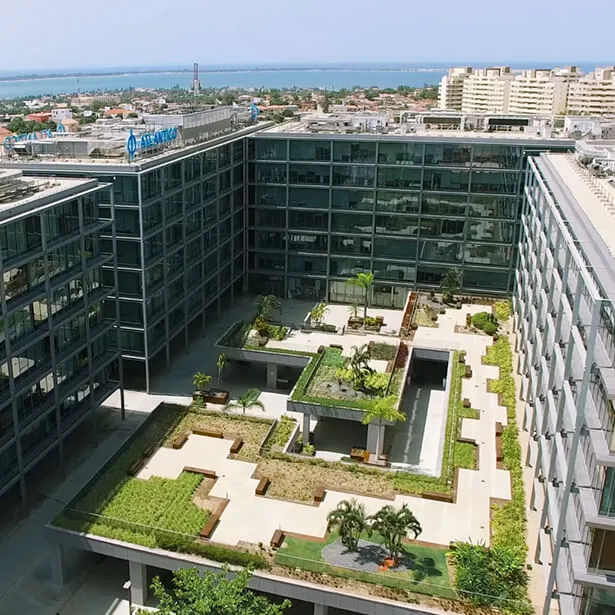
Kitanda Residence redevelops an old industrial complex into a mixed residential and commercial space in Luanda.
ApartmentShop
Luanda · Baixa
Price on request
Luanda is the capital of Angola and its economic center. The city has seven municipalities: Luanda, Belas, Cacuaco, Cazenga, Icolo e Bengo, Quiçama and Viana. The real estate market rests on three distinct land rights: property, surface right and concession, regulated by the Lei de Terras No. 9/04. Inflation slowed to 8.16% in October 2026, but the cost of living remains high. Talatona and the Cidade Financeira concentrate, according to available information, new developments, while Maianga, Ingombota and Maculusso host, according to available information, the historic downtown.
No listings found in Luanda yet. Check back soon!
Mixed-use
by Grupo Siccal Andrades
Kitanda Residence redevelops an old industrial complex into a mixed residential and commercial space in Luanda.
Luanda · Baixa
Price on request
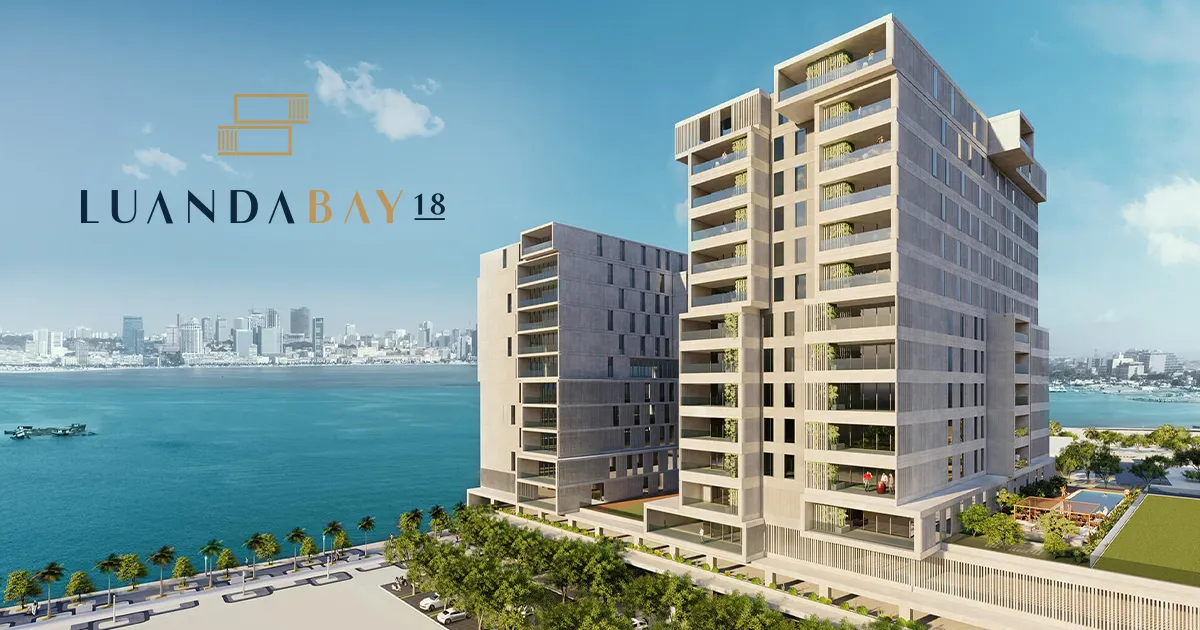
Apartment complex
by Luanda Bay
Living at LuandaBay18 means enjoying a panoramic view over Luanda Bay.
Luanda · Ilha de Luanda
Price on request
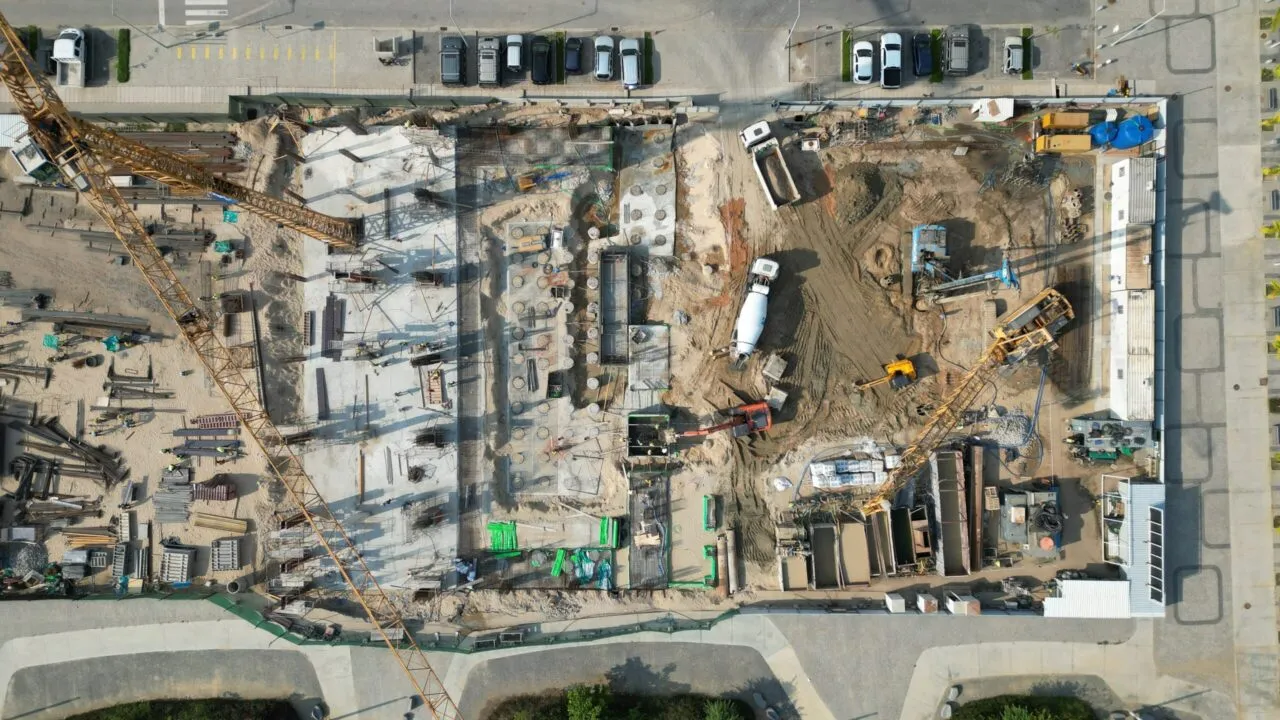
Residential
by Luanda Bay
Dare to dream with Estacarias – 2, the new residential project in Luanda.
Luanda
Price on request
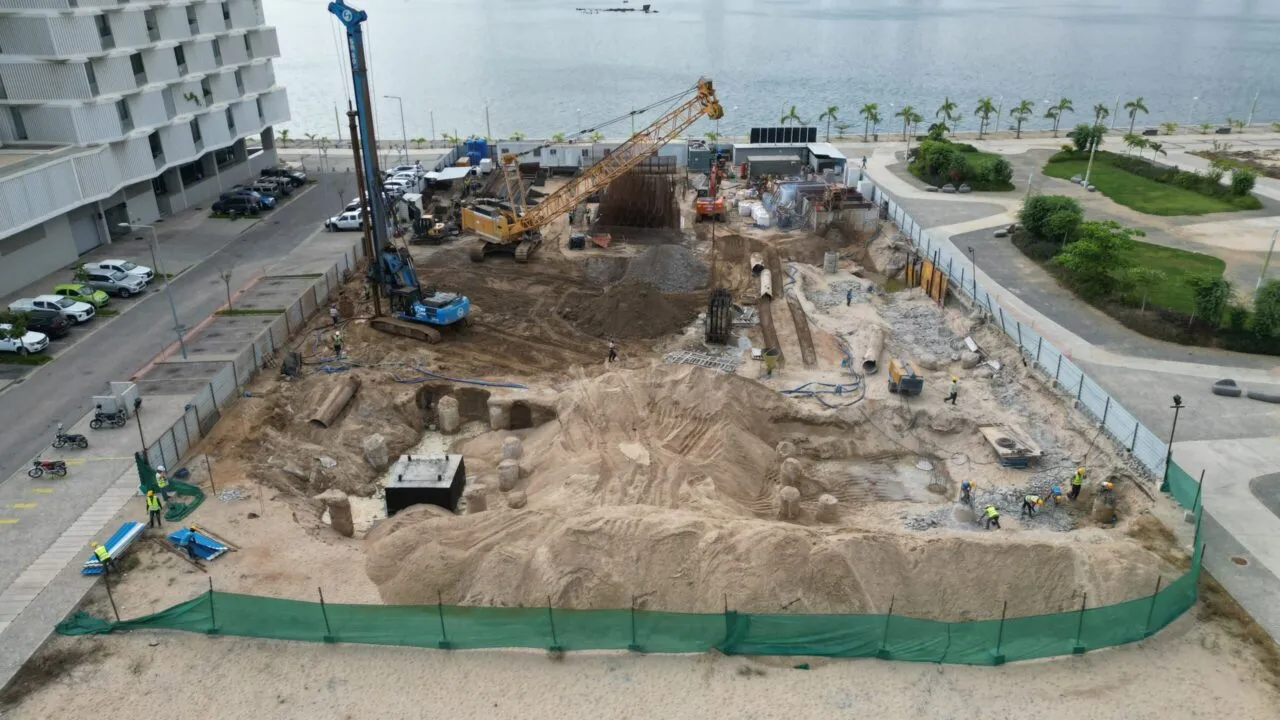
Residential
by Luanda Bay
Dare to dream with Estacarias, the new Luanda Bay project in Luanda.
Luanda
Price on request
Mixed-use
by Empreendimentos
Modern condominium in Talatona, combining offices, residences, retail and warehouse spaces of high quality.
Luanda · Talatona
From Kz 333,975,610
Commercial
by Empreendimentos
Modern auditorium in Cidade Financeira, equipped for corporate events, 24/7 security and parking.
Luanda · Talatona
From Kz 1,376,290,847
Luanda is divided into seven municipalities following the 2011 administrative reform. The municipality of Luanda proper comprises the historic urban districts: Ingombota, Maianga, Mutamba, Samba and Neves Bendinha. This is where political institutions, the Marginal de Luanda waterfront and the 4 de Fevereiro International Airport are located. The municipality of Viana, to the southeast, is the most populous in the province. Talatona and Belas, to the south, concentrate, according to available information, newer residential areas and structuring real estate projects. Cacuaco, to the north, and Cazenga, to the east, host, according to available information, a more working-class population and informal markets such as Mercado do Quicolo.
The municipality of Belas includes districts such as Benfica, Kilamba and Talatona. Talatona municipality has six urban districts including Benfica and Mussulo. These boundaries have practical implications for access to services, transport links and drainage infrastructure quality.
In Angola, land is the original property of the State, integrated into its private or public domain. The Lei de Terras No. 9/04 of 9 November 2004 defines five land rights that the State may transfer: property, surface right, civil useful domain, customary useful domain and concession. In Luanda's real estate practice, three rights directly concern the buyer.
Property confers the most complete real right. The surface right gives the right to build and use the land without owning it. Concession is a time-limited right, often used for land with economic purpose. Article 8 of the law states that any concession outside the provided rights is void. Before any purchase, it is essential to verify which right applies to the property, as this determines the duration of protection, transfer possibilities and land value. An Angolan notary or lawyer can extract this information from the land registry.
Talatona and the Cidade Financeira: this southern hub of Luanda hosts office, apartment and retail developments. The Cidade Financeira is presented, according to available information, as a reference business center for Talatona and downtown. Programs such as Office B4 P4, Coworking Office Hub 1, T0 Cidade Financeira and Zenith Towers offer, according to available information, office space and housing. Developer Empreendimentos is particularly active there.
Camama and Morro Bento: Camama hosts the Russinha Condominium and V5 Villa Condomínio Russinha (under construction), residential projects by developer Empreendimentos. Morro Bento sees a mixed-use building from the same developer emerging.
Ingombota, Maianga, Maculusso: the historic and administrative center, according to available information. Edifício Ingombota and Edifício Maianga offer office space. Maculusso hosts Edifício Millennium. These areas are older, with dense urban fabric and varied infrastructure.
Cacuaco, Cazenga, Coqueiros, Congolenses, Golf: these peripheral or popular areas, according to available information, host commercial projects such as Mulemba Retail Park in Cacuaco, Cazenga Retail Park, Loja Coqueiros, Congolenses Retail Park and Retail Golf. Developer Moradia Lubango is developing several retail spaces there.
Península do Porto and Luanda Bay: mixed-use lots are offered on Parcela A of the peninsula, in a project by developer Empreendimentos.
Flooding and drainage: in April 2026, torrential rains hit Luanda, causing six deaths and forcing thousands of residents to flee their homes. Over 34,000 people and nearly 7,000 households were affected nationwide, including part of the capital. Low-lying areas, neighborhoods without structured sewer networks and constructions in flood zones are most exposed. Before renting or buying, ask whether the property was affected by recent floods and observe the state of nearby drains.
Cost of living and rents: according to November 2026 data (see source Fluxy), rent for a one-bedroom apartment in the city center is around USD 382 monthly, while a three-bedroom unit costs approximately USD 1,392. Average net salary is about USD 544. The price-to-income ratio for a 90 m² apartment is 23.1 years of salary. These figures, from collaborative platforms, vary by neighborhood and property condition. They provide a reference scale for negotiation.
Purchase formalities: the deed of sale (escritura) is signed before a notary. Foreign documents must be translated into Portuguese by an official translator and legalized (see source Certof). Registration at the land registry (Conservatória do Registo Predial) is mandatory to oppose the transfer to third parties. Foreigners must hold residence (Cartão de Residência) to purchase. Some operations require approval from the National Private Investment Agency (ANIP). Legal fees generally represent 1 to 3% of the property value.
Interest rates: the National Bank of Angola (BNA) reduced its benchmark rate to 14% in November 2026, cutting by 0.75 percentage point (see source 360 Angola). Inflation stands at 8.16% in October 2026 according to the National Statistics Institute. Commercial mortgage rates remain high, around 20% in 2024. Access to housing credit therefore remains limited for most households.
Imonga lists, according to available information, approximately twenty new developments in Luanda, offered by two main developers: Empreendimentos and Moradia Lubango. Typologies cover offices, residential housing, retail, coworking spaces and land subdivisions. The most represented areas are Talatona, Camama, Cacuaco and the port peninsula. Some projects are under construction, others in sales phase. Each listing indicates the developer, location and progress status.
Yes, but with conditions. The Angolan Constitution and Lei de Terras No. 9/04 allow foreigners to hold urban property, not rural land. The buyer must hold a Cartão de Residência. Some operations require ANIP approval. In practice, many foreigners set up a local company or partner with an Angolan citizen. A lawyer checks dossier compliance. To secure the transaction, it is recommended to consult an Angolan notary or lawyer before any signature.
The landlord generally requires ID, proof of income or bank solvency, and sometimes a deposit equivalent to several months' rent. In Angola, the lease contract must specify the amount, duration, charges and termination conditions. Conduct an inventory at entry and exit. Payment is usually in kwanza, sometimes in dollars by agreement.
Low-lying areas, recently urbanized neighborhoods without structured sewer networks and constructions in valley bottoms are most vulnerable. In April 2026, torrential rains caused six deaths in Luanda and forced thousands to leave their homes. Before signing, inquire about the neighborhood's flood history and observe the state of drains and access roads.
Request an extract from the land registry (certidão de registo predial) at the Conservatória do Registo Predial. This document shows the rights holder, the nature of the right (property, surface, concession), charges and mortgages. The notary also verifies this when drafting the escritura. Do not pay any deposit without this verification and a notarized deed.
Access remains limited. The BNA reduced its benchmark rate to 14% in November 2026, but commercial mortgage rates still exceeded 20% in 2024. The BNA has set up specific windows for social housing at reduced rates (7% then 10%), with loan ceilings and income conditions. Most purchases are still cash-based. Inquire at several banks about their current terms.